2026 Prize Winner
Zhijian ‘James’ Chen, PhD (UT Southwestern Medical Center, HHMI)
Recognized for his discovery of the DNA sensing enzyme cGAS and its role in immune and inflammatory responses.
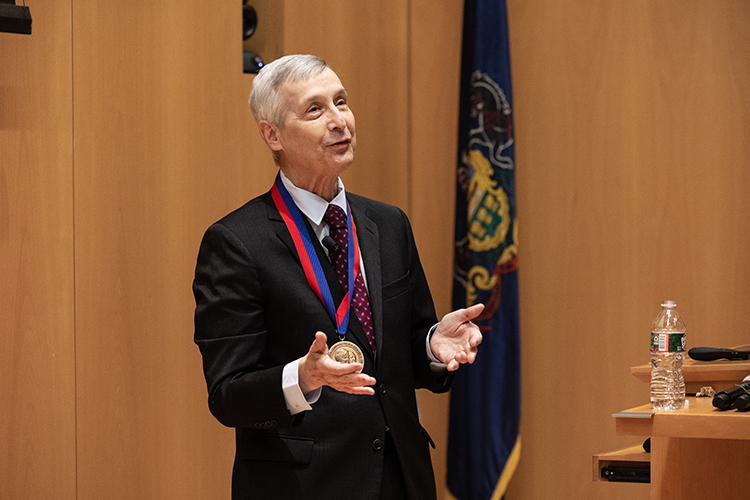
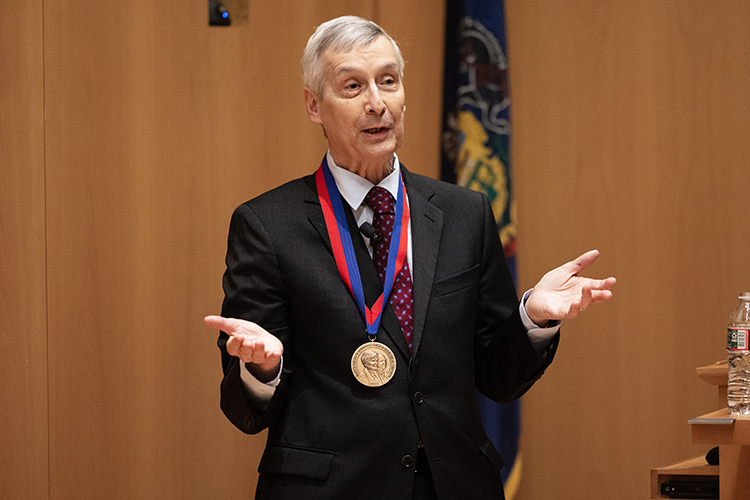
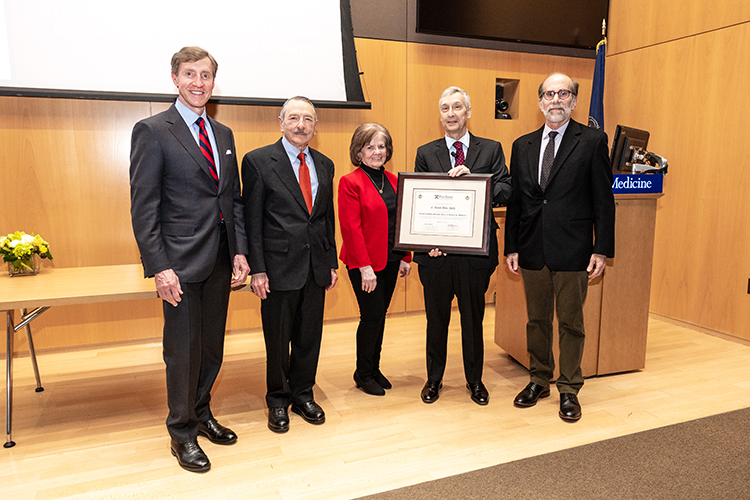
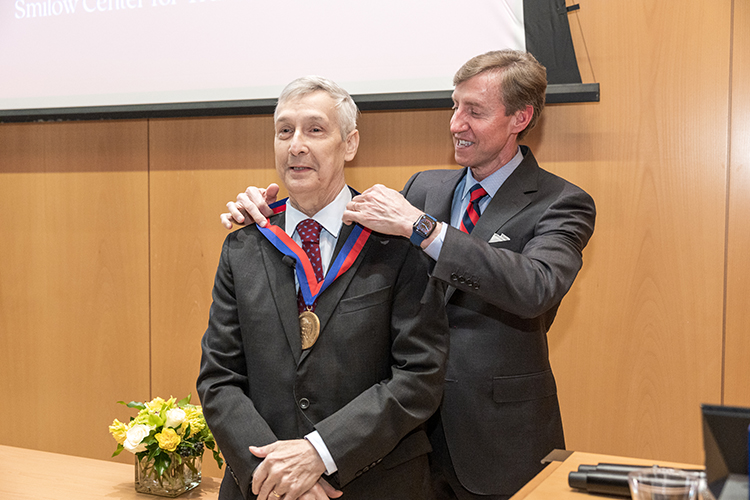
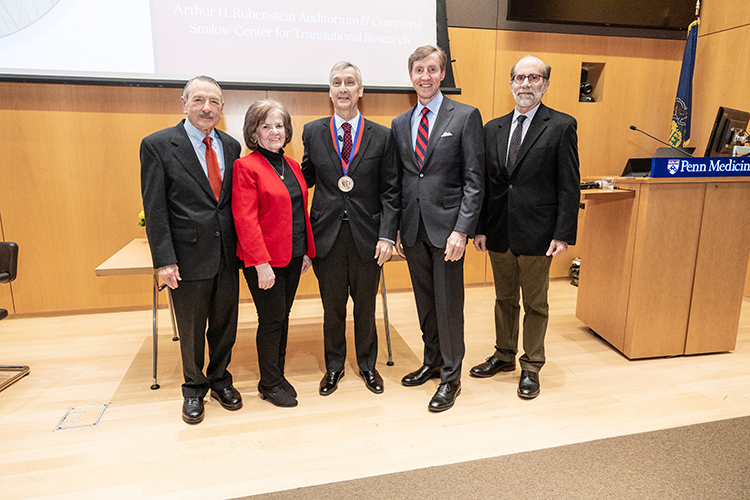
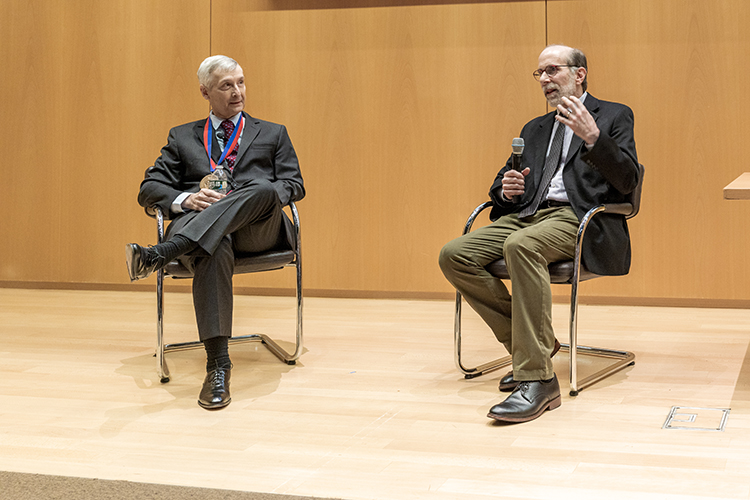
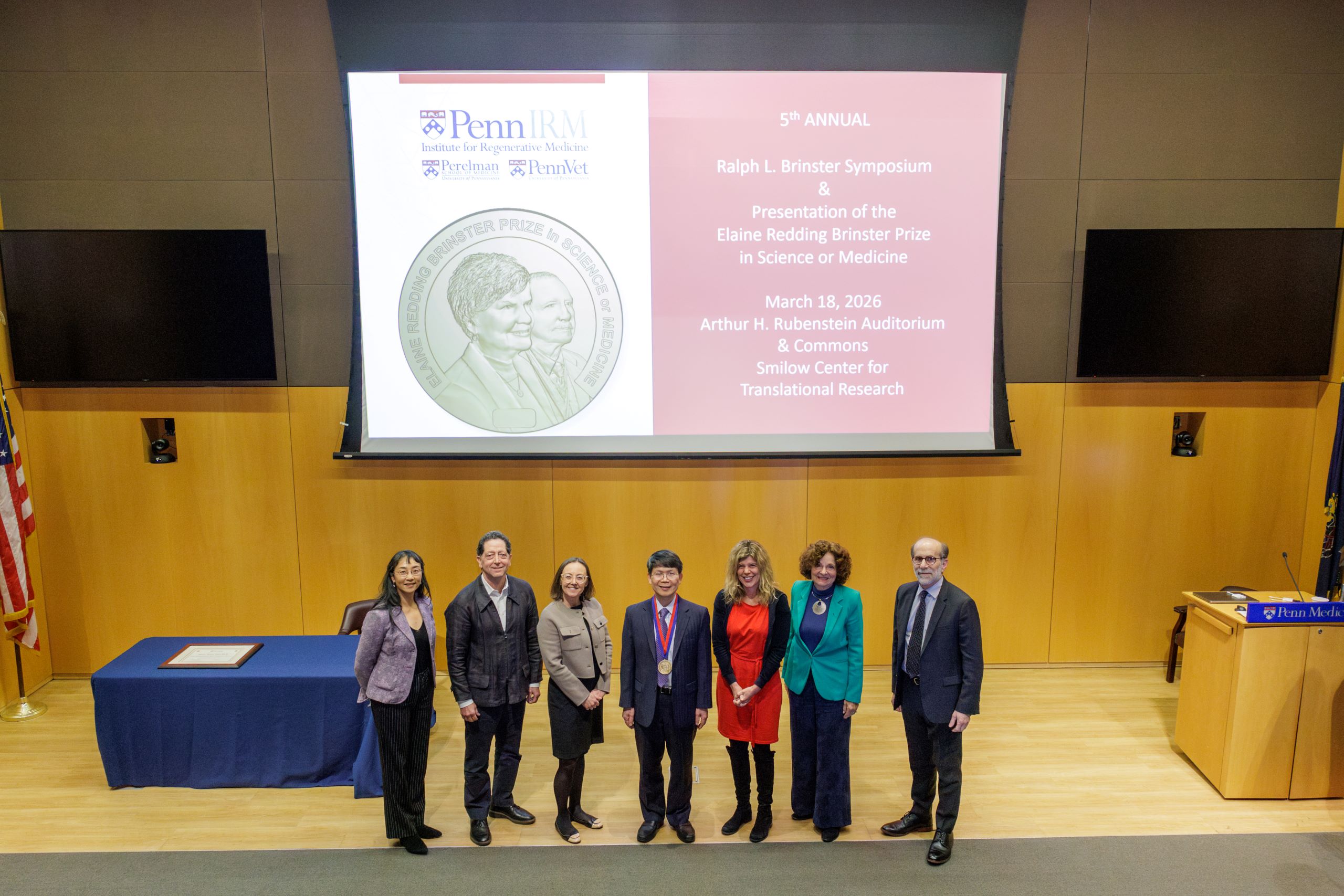
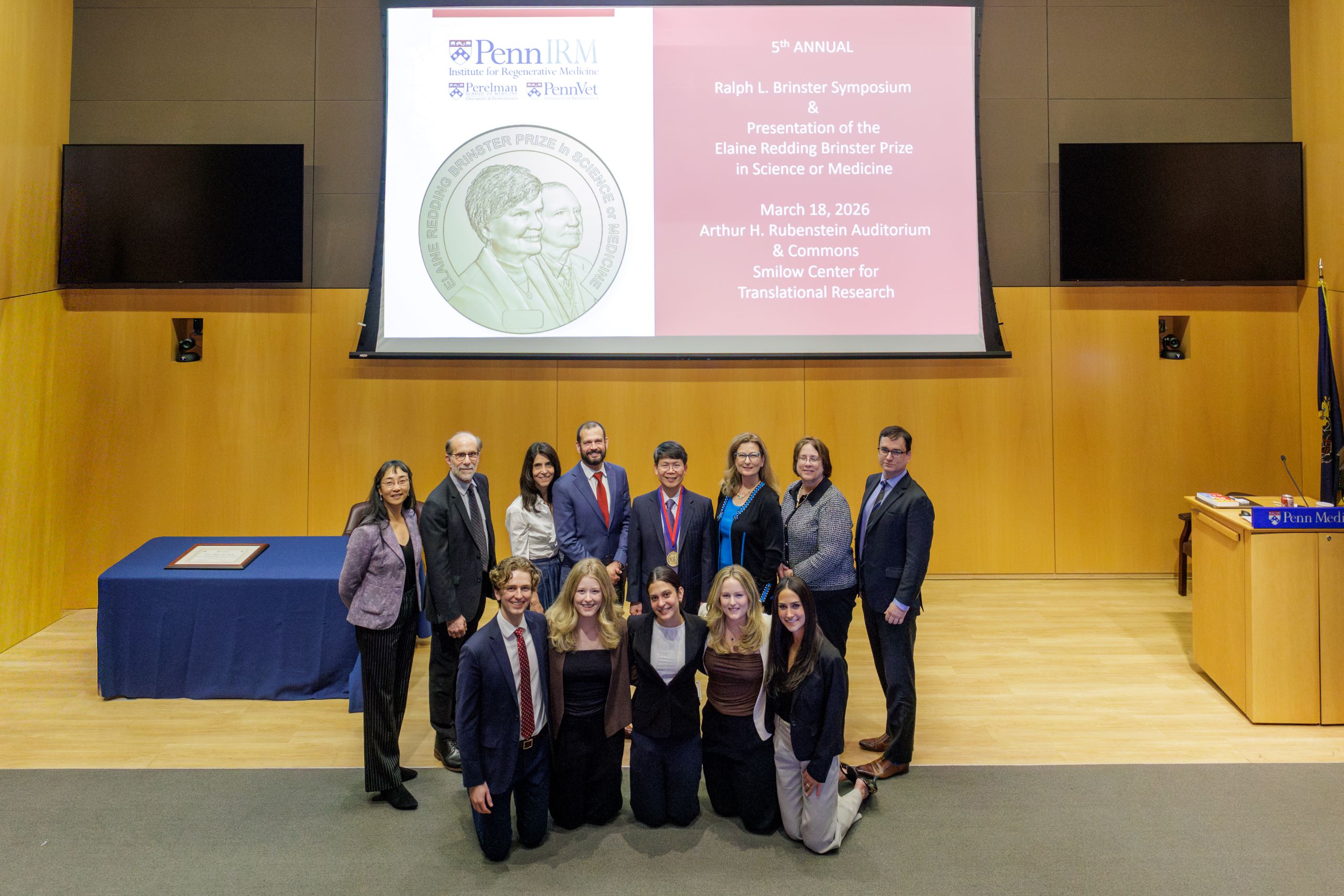
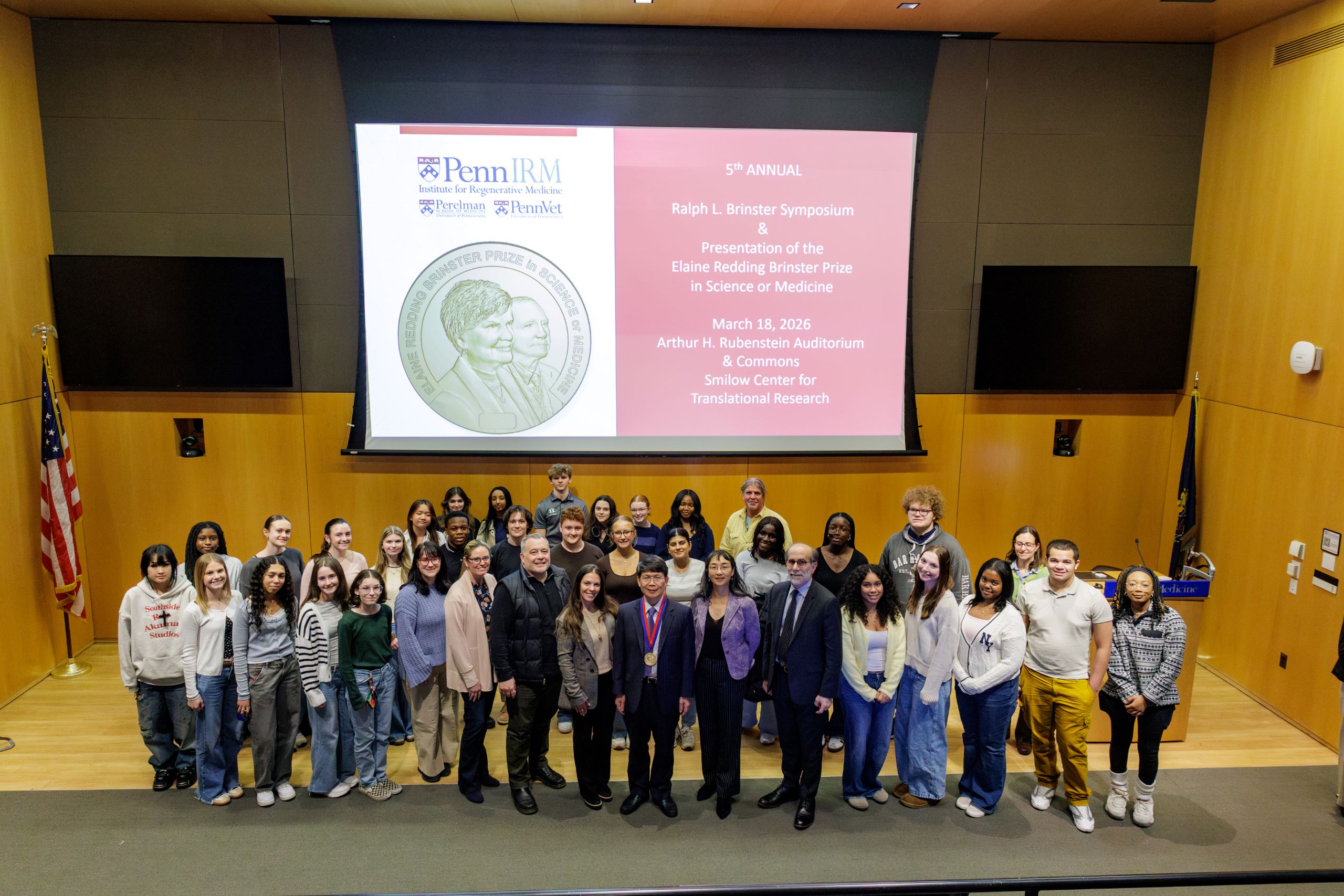
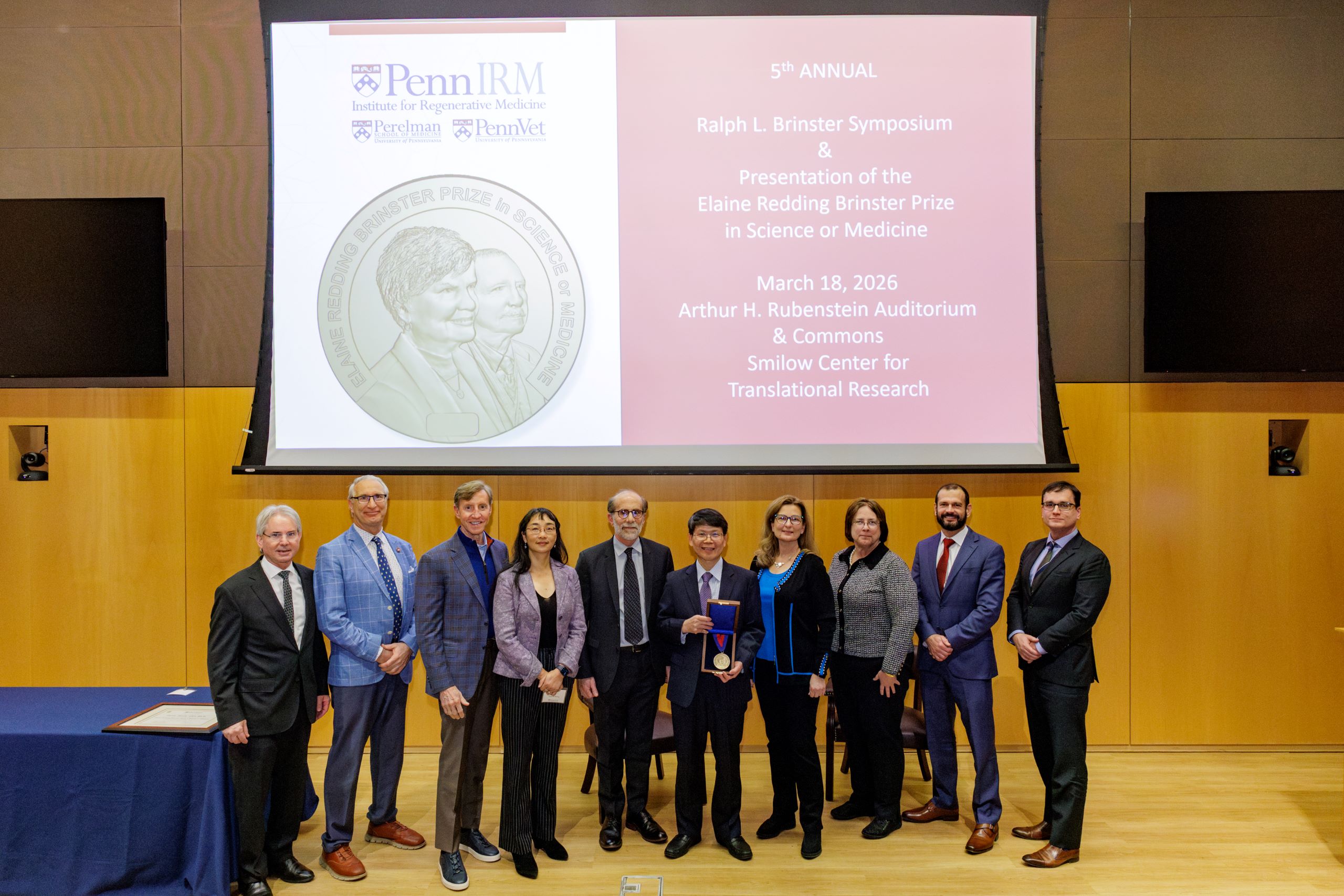
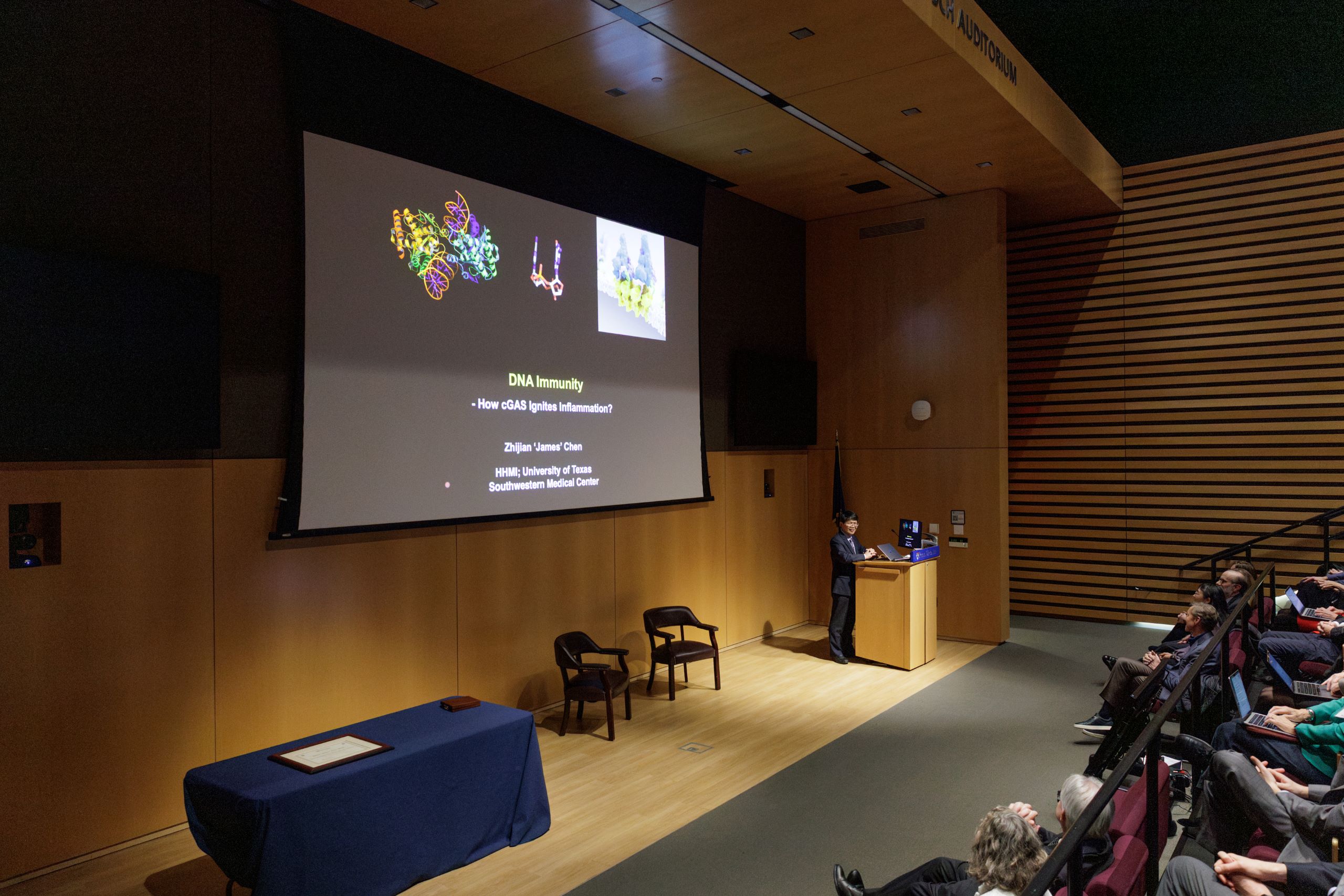
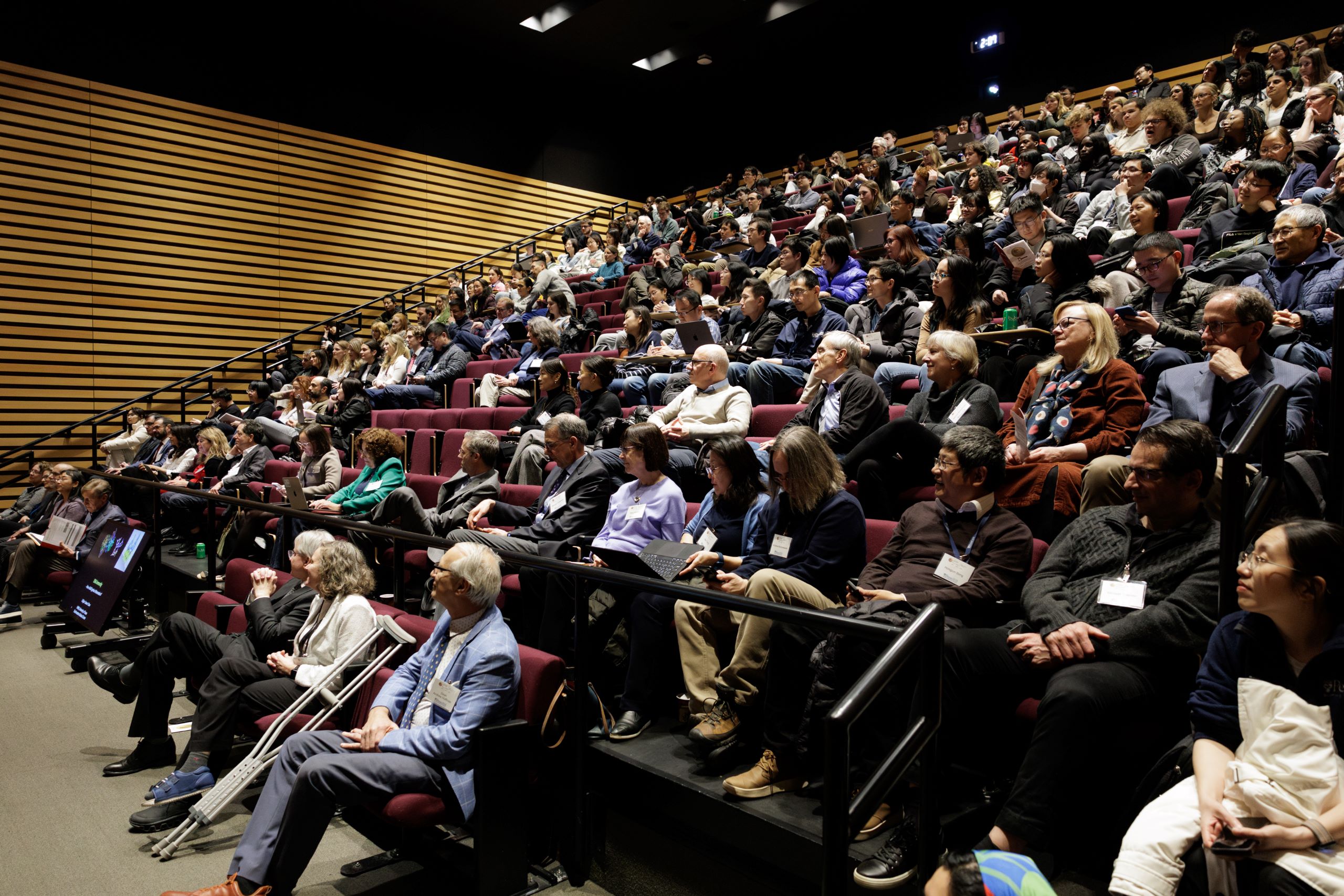
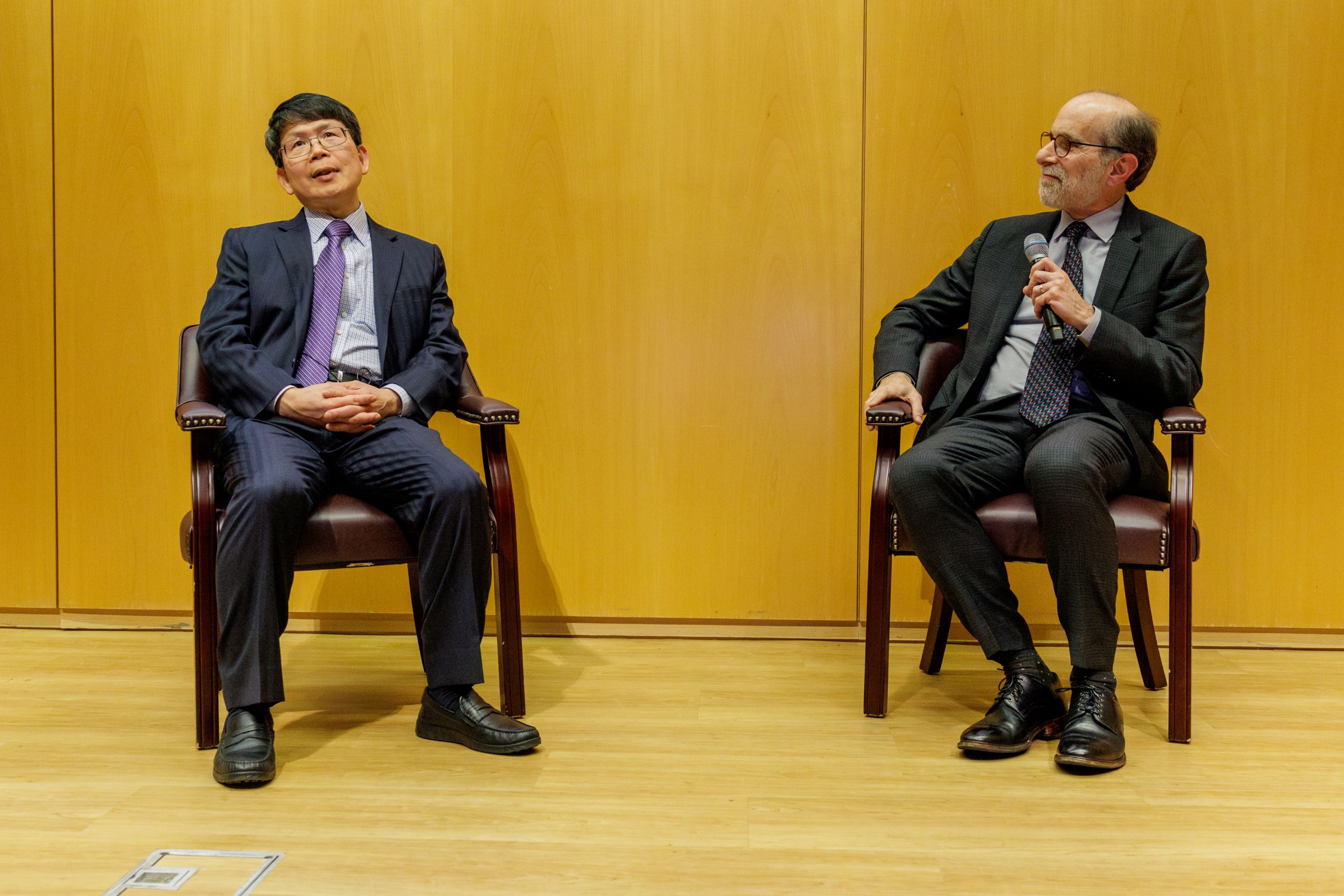
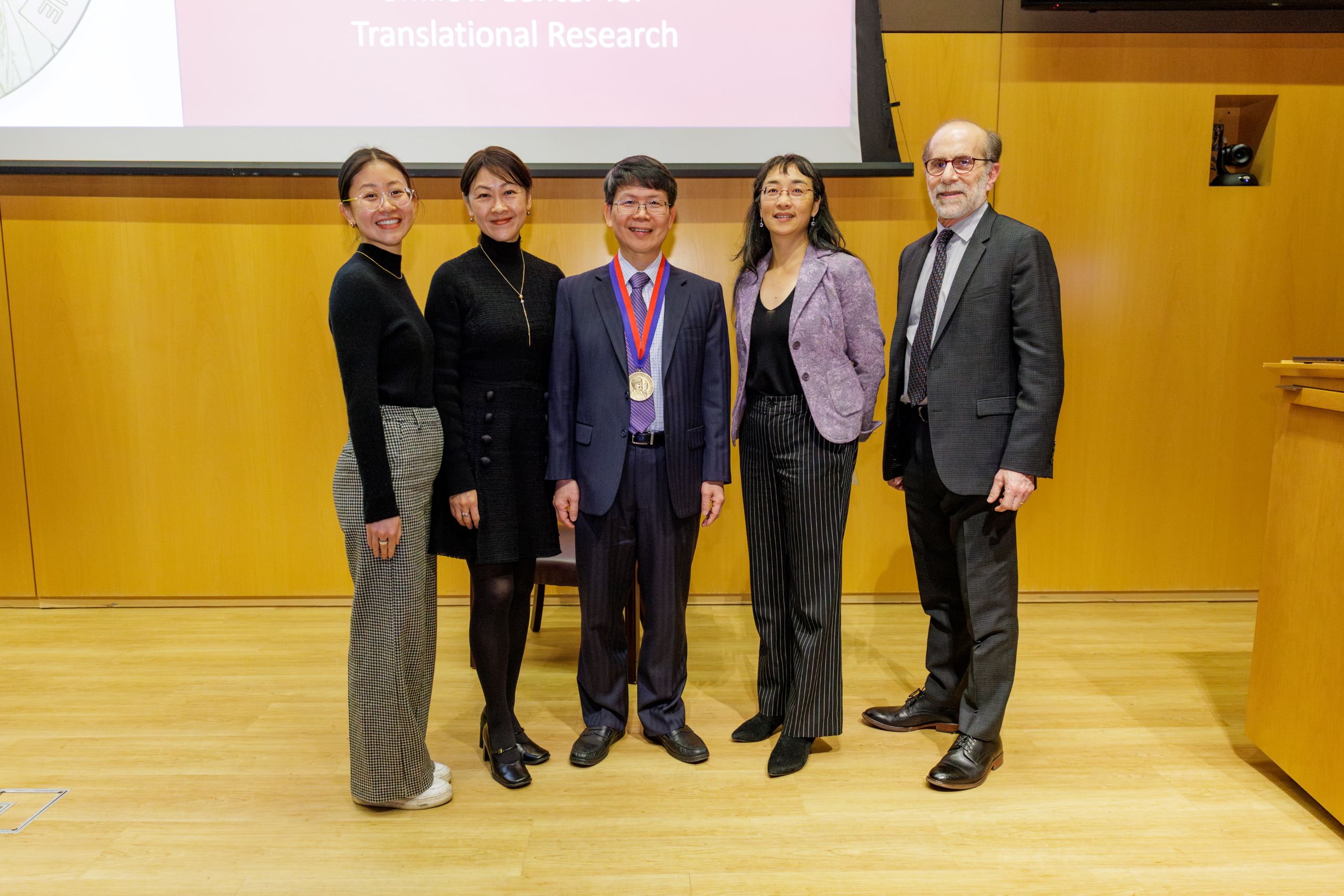
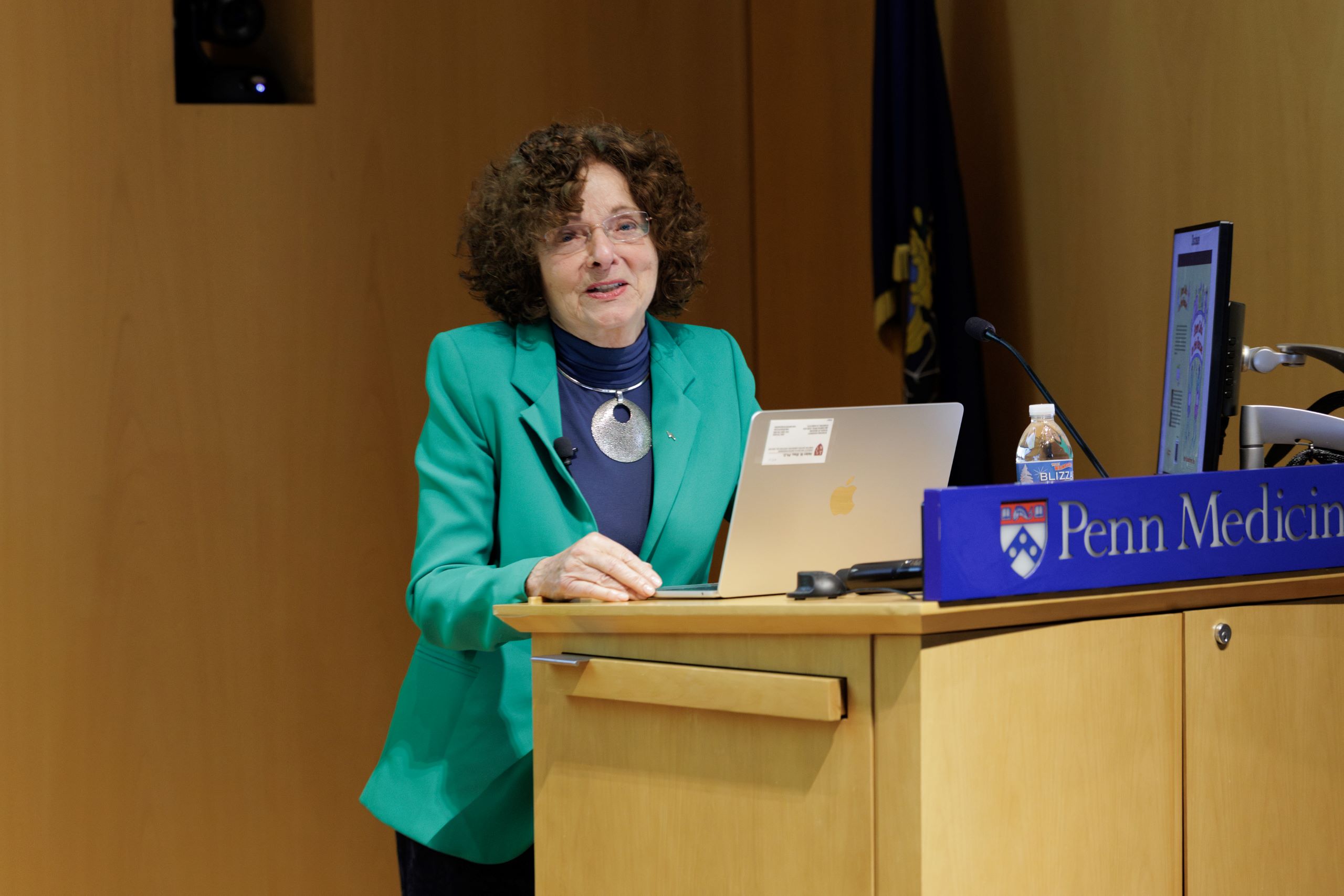
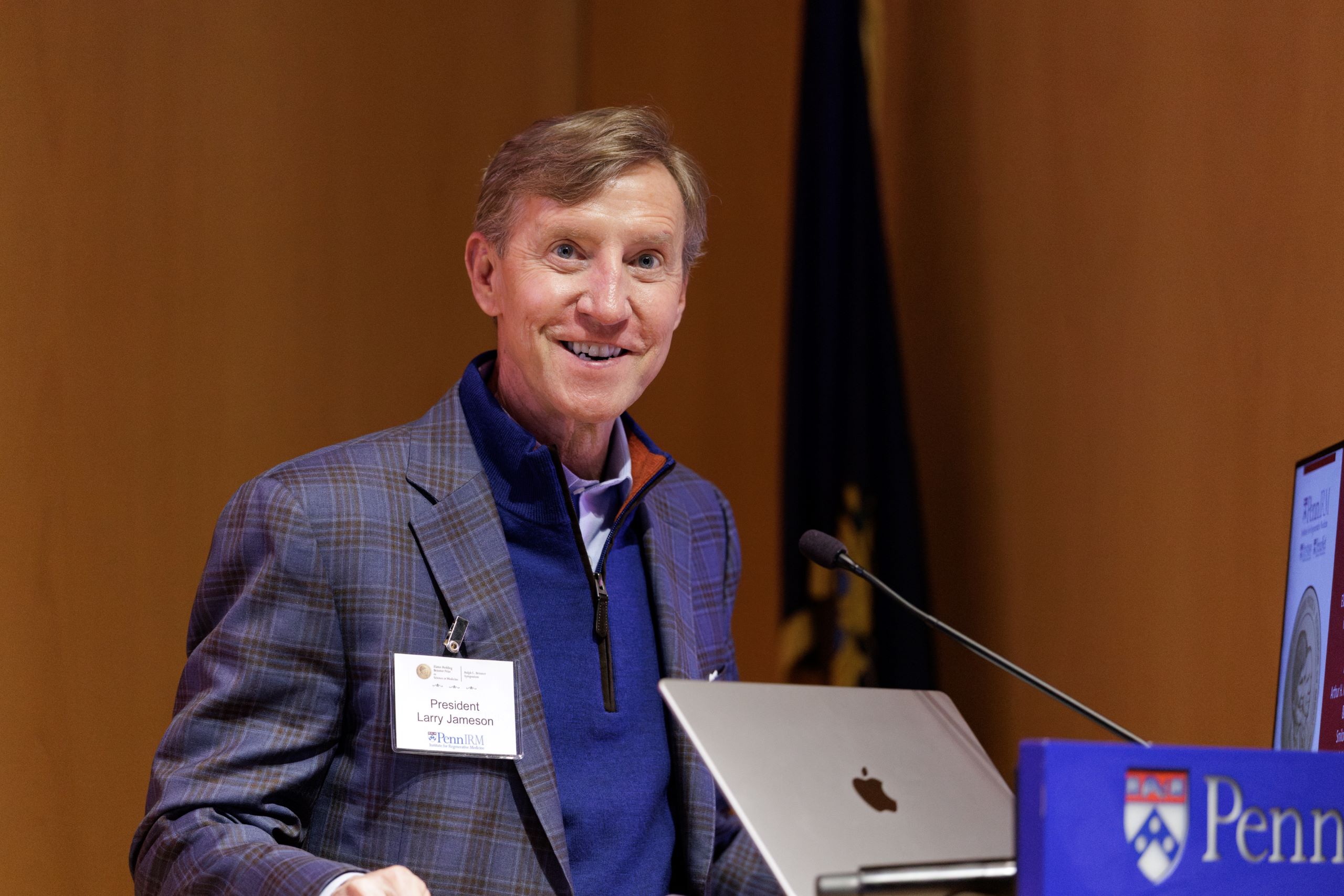
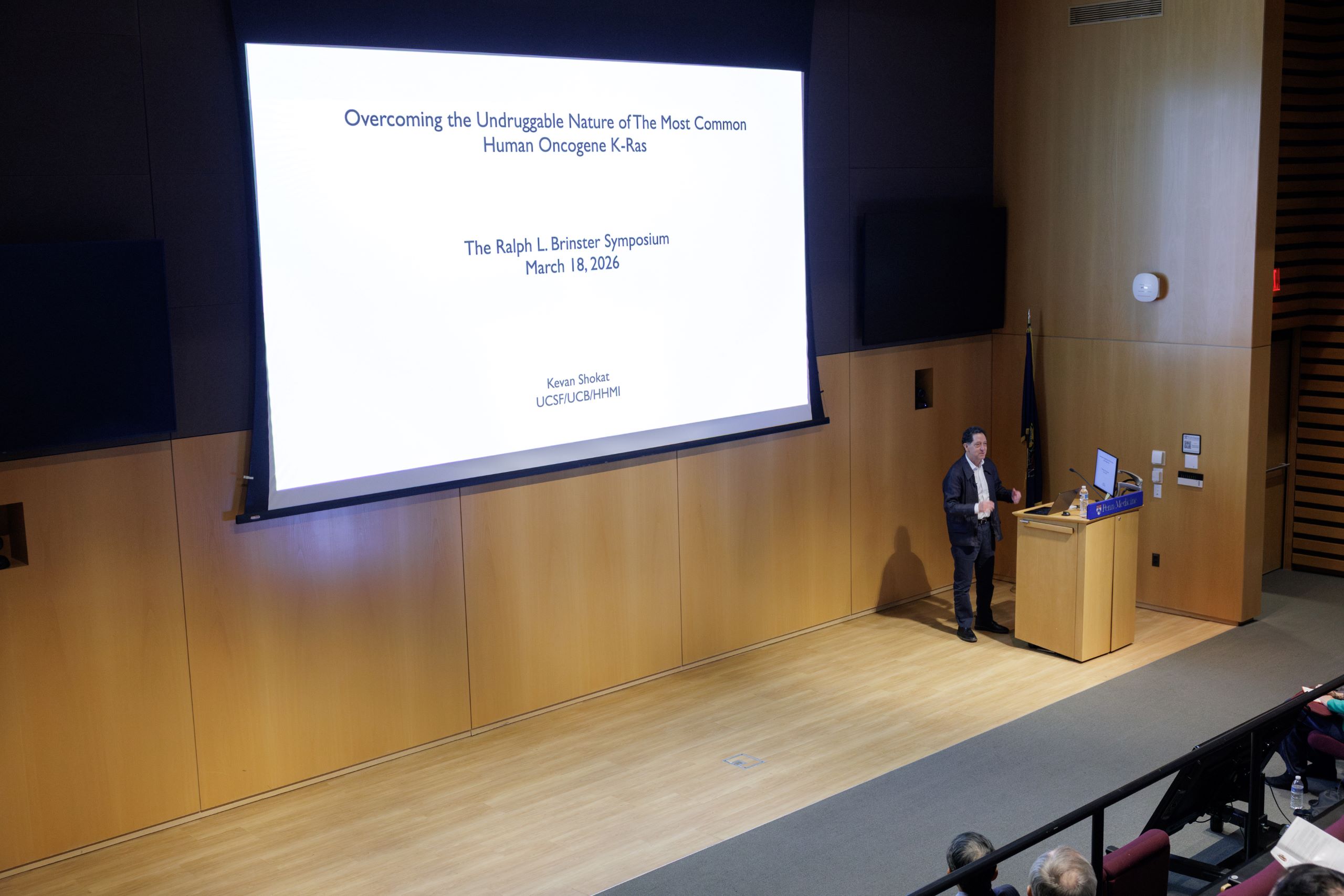
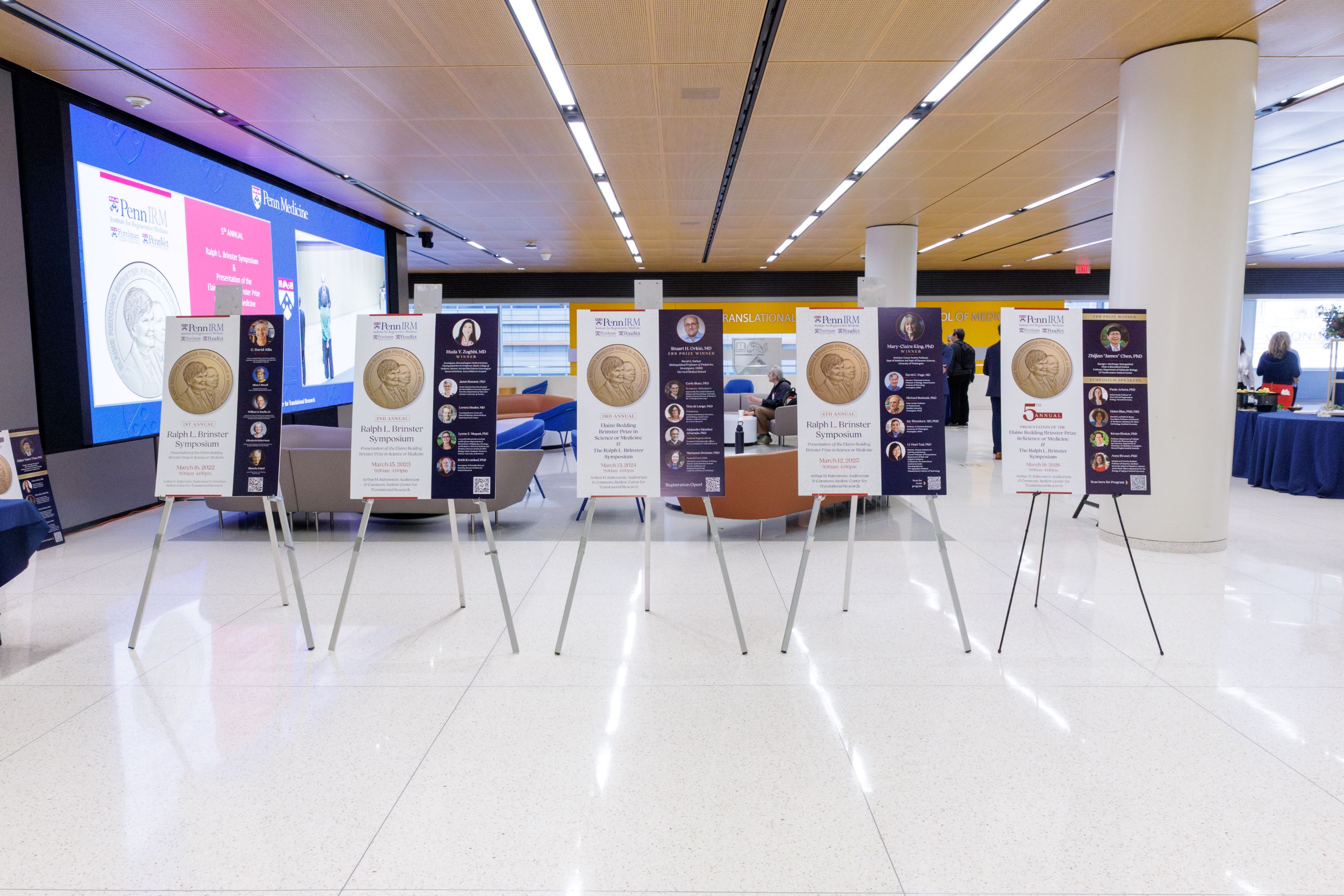
The Institute for Regenerative Medicine at the University of Pennsylvania awarded Dr. Zhijian ‘James’ Chen the 2026 Elaine Redding Brinster Prize on March 18, 2026. Dr. Chen was recognized for his discovery of the DNA sensing enzyme cGAS and its role in immune and inflammatory responses. The discovery answers a fundamental question of how the immune system detects microbial DNA in an infected cell and launches an immune response, opening the door for an entirely new field of study. Consequently, the discovery provides an attractive therapeutic target to treat a wide variety of human diseases ranging from infections to autoimmune and inflammatory disorders, cancers, and neurodegeneration.
DNA is best known as the blueprint for life, but microbial DNA outside the cell nucleus also strongly stimulates immune responses. It is a major mechanism by which the immune system detects microbial infections. In 2012, Dr. Chen and his team discovered cyclic GMP-AMP synthase (cGAS) and showed that the enzyme is the long-sought sensor of cytoplasmic DNA that triggers immune and inflammatory responses. Upon binding DNA, cGAS is activated to convert GTP and ATP into cyclic GMP-AMP (cGAMP), which functions as a second messenger that binds to the adaptor protein STING, thereby activating a signaling cascade leading to the production of type-I interferons and other cytokines. Subsequent work by Dr. Chen and others has elucidated the molecular mechanism by which DNA activates the cGAS-STING signaling cascade. Their work demonstrates that the cGAS-STING pathway plays a critical role in immune defense against microbial infections and cancers.
Dr. Chen showed that cGAS is also activated by self DNA, when the latter is inappropriately present in the cytoplasm of mammalian cells, which normally contain their DNA in the nucleus and mitochondrion. If nuclear or mitochondrial DNA enters the cytoplasm, as caused by genetic mutations, tissue damage, or aging, cGAS is activated to trigger inflammation. This underlies many human autoimmune diseases such as lupus, arthritis, Parkinson’s, and Alzheimer’s.
Through these findings, the cGAS-STING pathway is demonstrated to provide potential therapeutic opportunities by either its enhancement or suppression depending on the specific disease. These various possibilities have resulted in strong interest from pharmaceutical companies looking to develop novel treatments for the clinic, underscoring the broad reach of Dr. Chen’s discoveries.
2025 Prize Winner
Mary-Claire King, PhD (University of Washington)
Recognized for her pioneering work on a genetic basis for breast cancer.
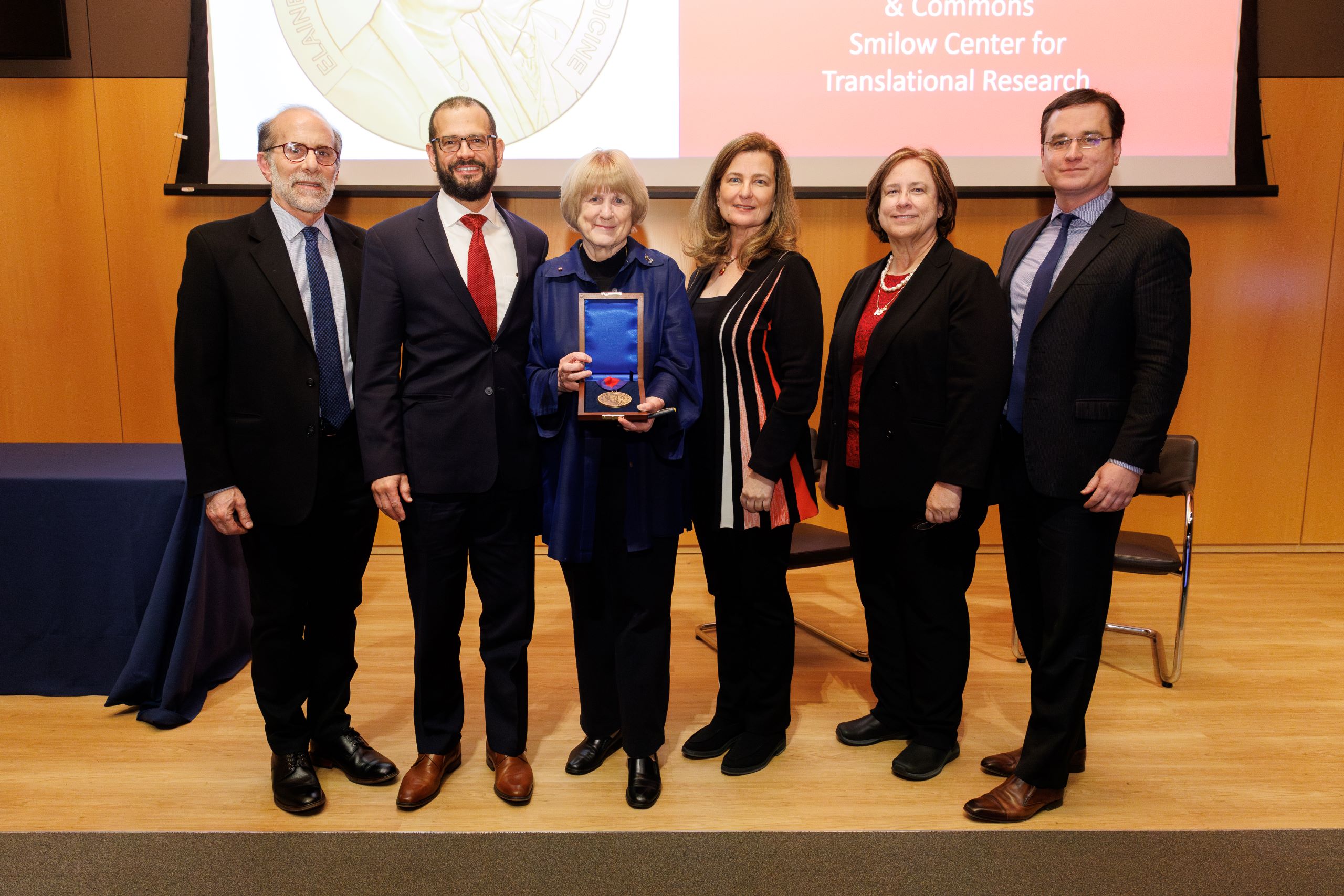
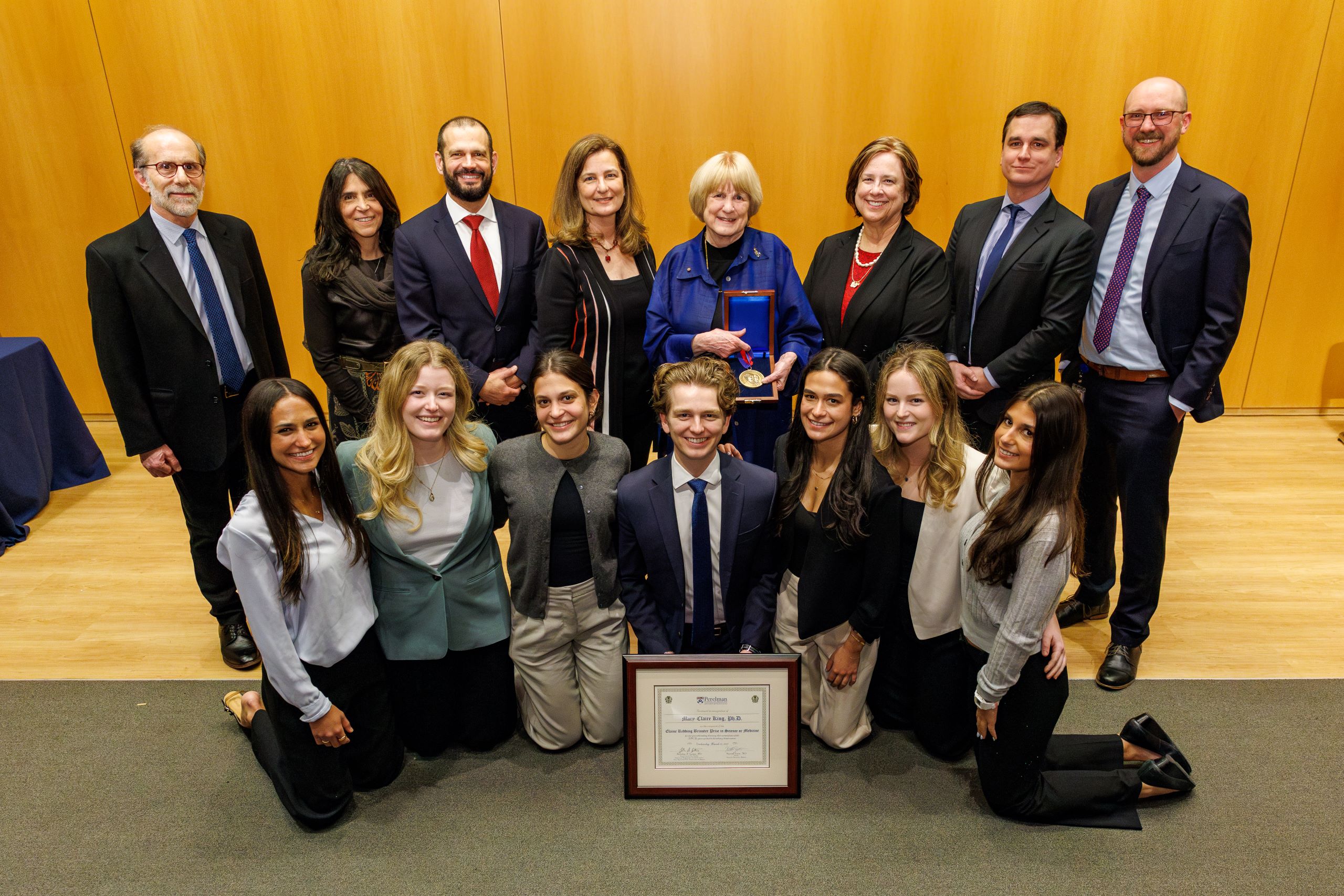
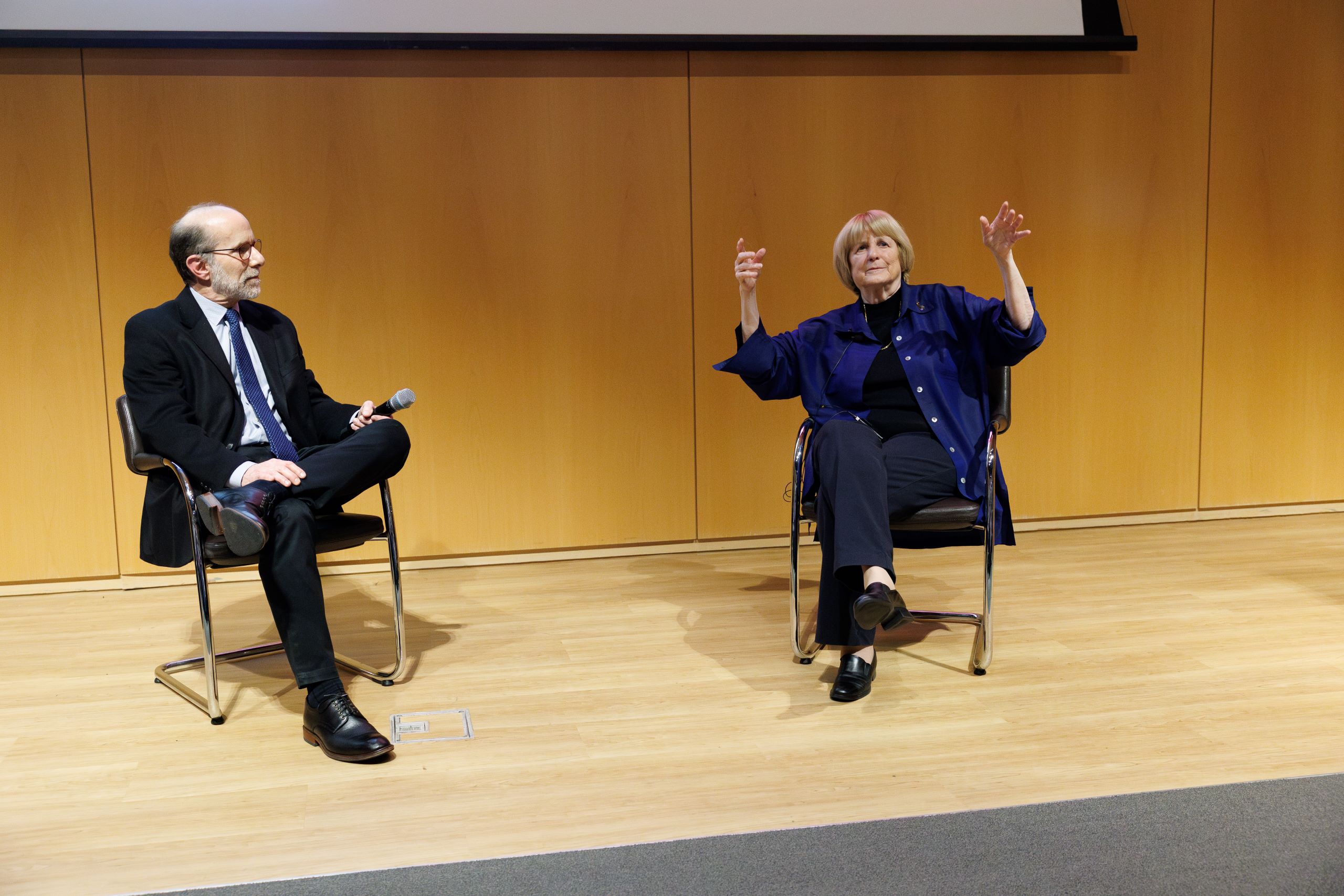
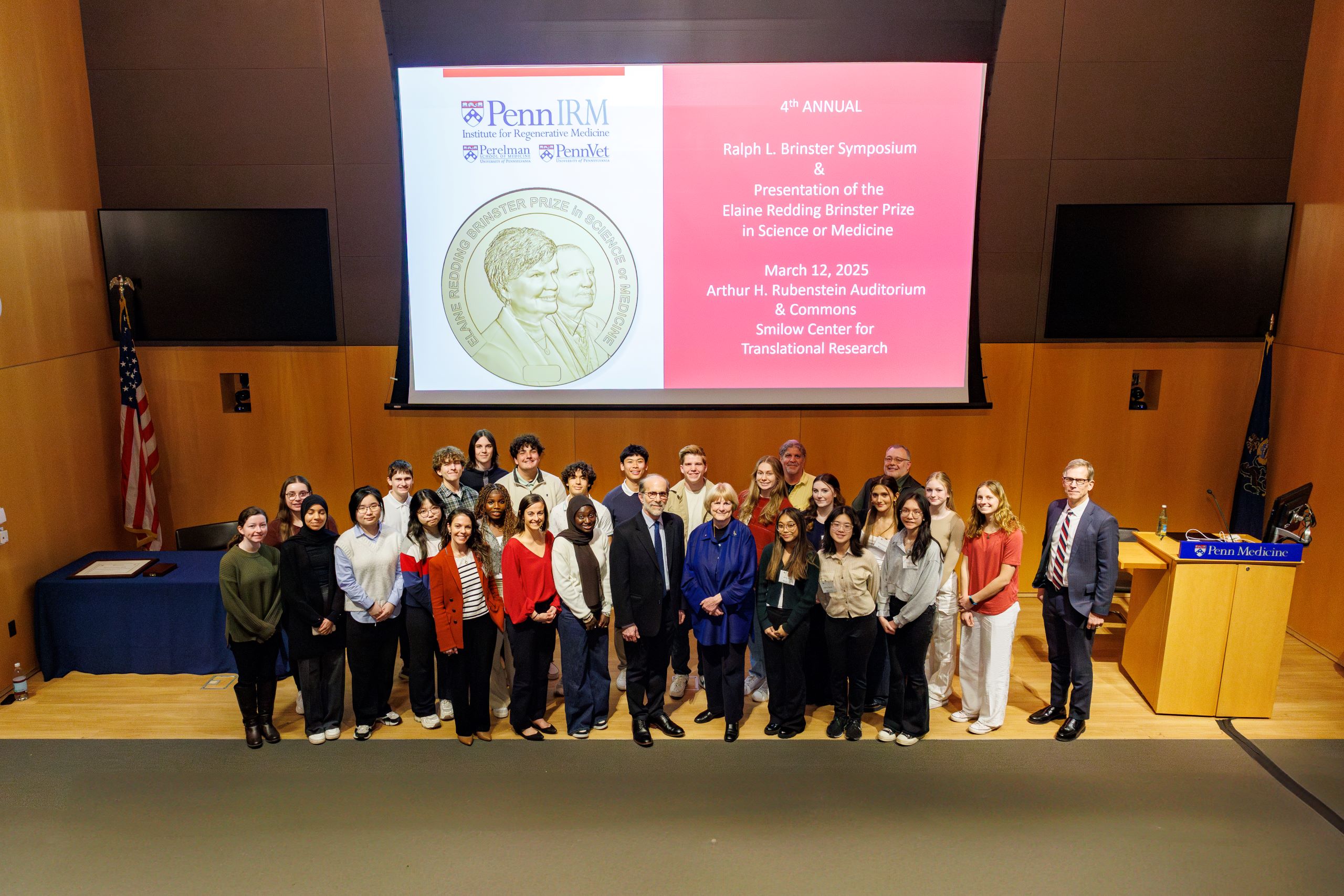
The Institute for Regenerative Medicine at the University of Pennsylvania awarded Mary-Claire King, PhD, the fourth Elaine Redding Brinster Prize in Science or Medicine on March 12, 2025. She was recognized for her pioneering work on a genetic basis for breast cancer. Dr. King proved the existence and precise location of variants of the BRCA1 gene responsible for inherited predisposition to breast and ovarian cancer. Her discovery represented a major advance in our understanding of both these cancers and the genetics of complex human traits. It was particularly remarkable because it was carried out based on genetics, logic, and experimental gene mapping before the human genome project, rather than on known sequence. Her work has made it possible for women to test for inherited mutations in genes predisposing to breast and ovarian cancer, for mutation carriers to undertake preventive intervention, and for women who have already developed cancer to make use of genotype-specific therapy.
Beginning in 1974, Dr. King developed mathematical models of the genetics of breast cancer, years before the development of genomics tools. In 1990, she proved the existence of a breast cancer gene (that she named BRCA1) by mapping it to chromosome 17q21. When BRCA1 was ultimately cloned, it was at exactly the site she predicted. After her demonstration that mutations of BRCA1 and its sister gene BRCA2 lead to very high risks of breast and ovarian cancer, Dr. King and her group developed a multi-gene sequencing approach (named BROCA) to simultaneously detect all classes of mutations in all breast and ovarian cancer genes. BROCA was not patented and was immediately put into widespread clinical use.
Dr. King’s approach to gene discovery has been a model for many complex genetic diseases beyond breast and ovarian cancers. Her paradigm is to identify rare families in which a complex phenotype is transmitted by Mendelian inheritance, then find the responsible gene in those families, and then compare to mutations in the same gene in patients without a serious family history. This paradigm has been applied to millions of women worldwide at risk of breast and ovarian cancer and has provided the basis for gene discovery in diabetes, colon cancer, coronary artery disease, hypertension, Alzheimer disease, Parkinson disease, and other complex traits.
In addition to her pioneering breast cancer work, Dr. King has made major contributions in other fields. In the early 1970s, as a graduate student with Allan Wilson, she demonstrated that humans and chimpanzees are 99% identical in coding sequences of genes, and developed the hypothesis that the major differences between humans and chimpanzees are due to a small number of mutations affecting gene regulation and timing of gene expression during development. This claim was validated 30 years later by the chimpanzee genome sequence, and the King and Wilson regulatory hypothesis remains a central paradigm of human evolutionary studies.
In the 1980s and 1990s, Dr. King developed genetics tools for the resolution of human rights abuses. In collaboration with the Grandmothers of the Plaza de Mayo of Argentina, she identified grandchildren who were kidnapped as infants after their parents were murdered during the Argentinean military dictatorship of 1975-83. For this project, Dr. King developed the first application, in any field, of genetic genealogy based on sequencing mitochondrial DNA. Her laboratory has since assisted the United Nations Forensic Anthropology Team to identify remains of victims of extra-judicial execution on six continents and has worked with the U.S. Army to identify remains of US soldiers who had gone missing from Vietnam, Cambodia, Korea, and during WWII.
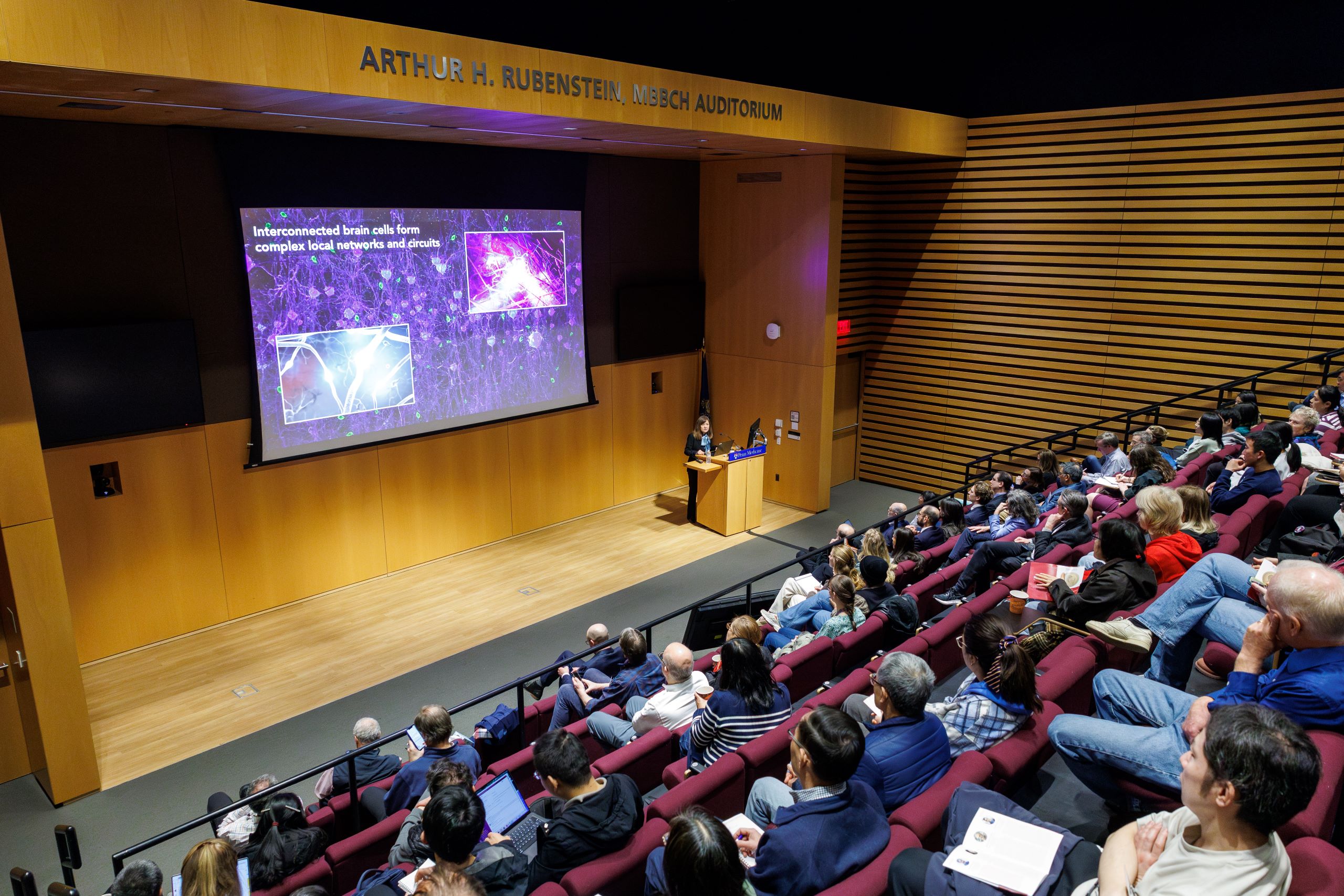
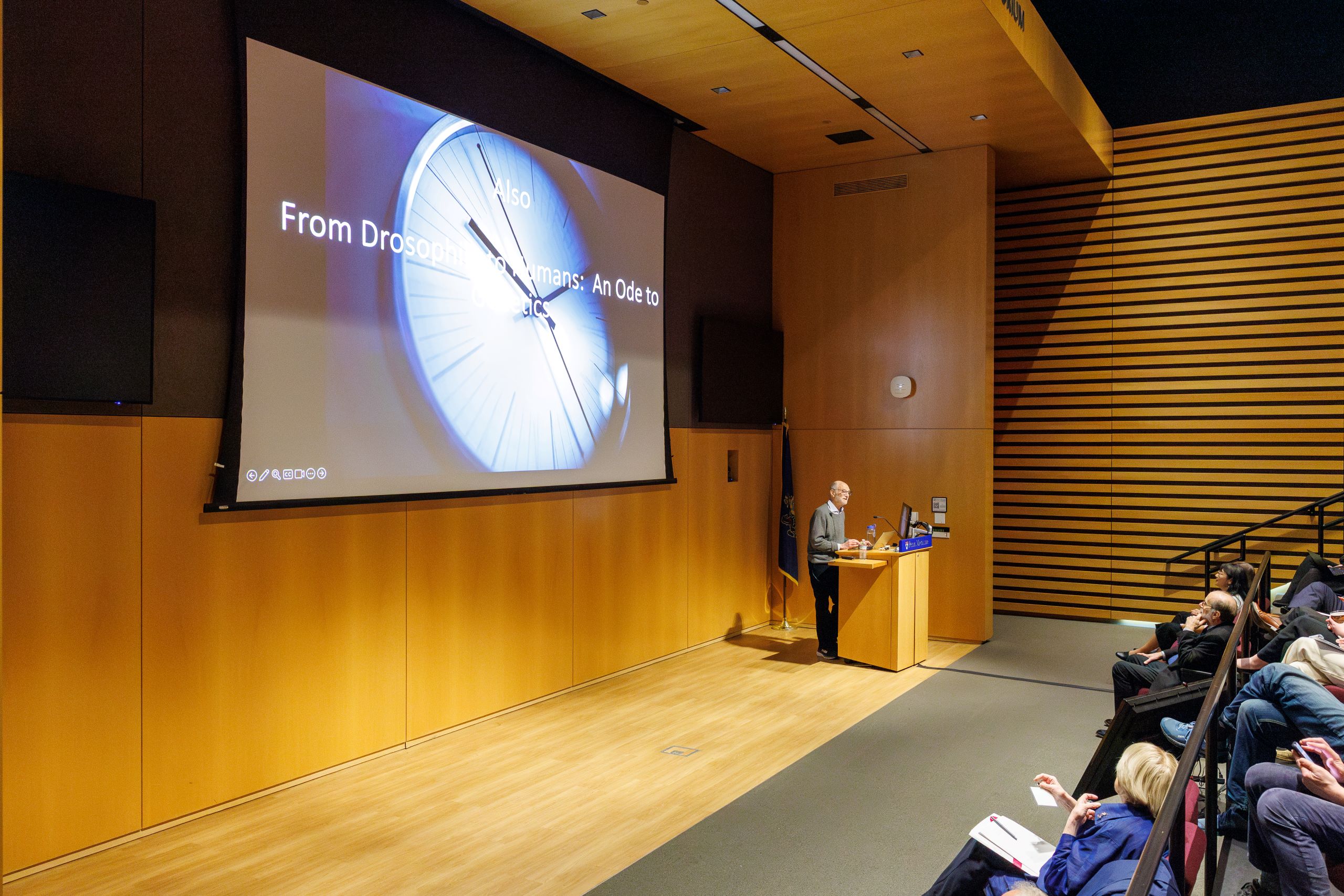
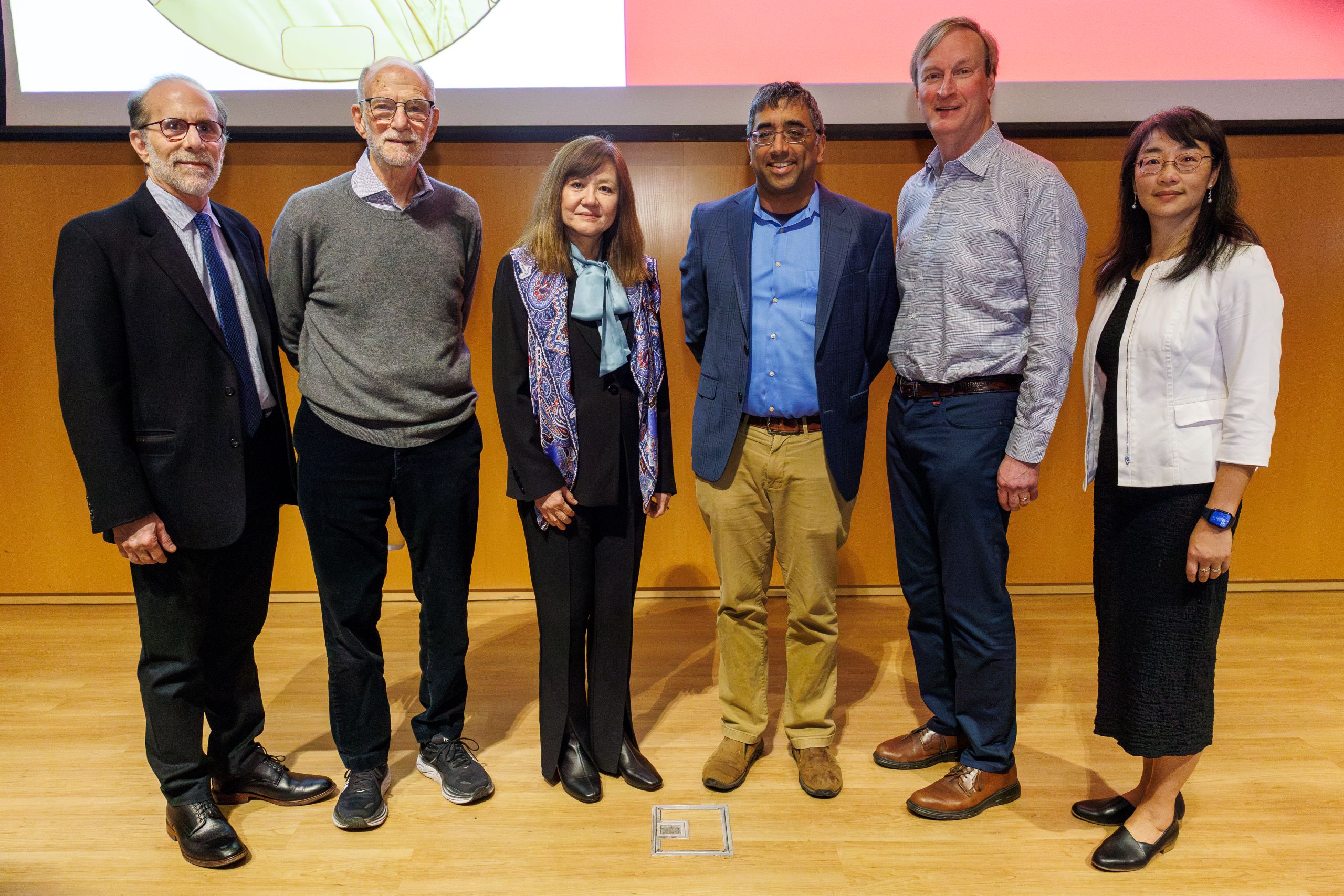
2024 Prize Winner
Stuart H. Orkin, MD (Harvard Medical School)
Recognized for his landmark discoveries of the molecular basis of blood disorders, gene regulatory mechanisms governing blood cell development, and relevant therapeutics.
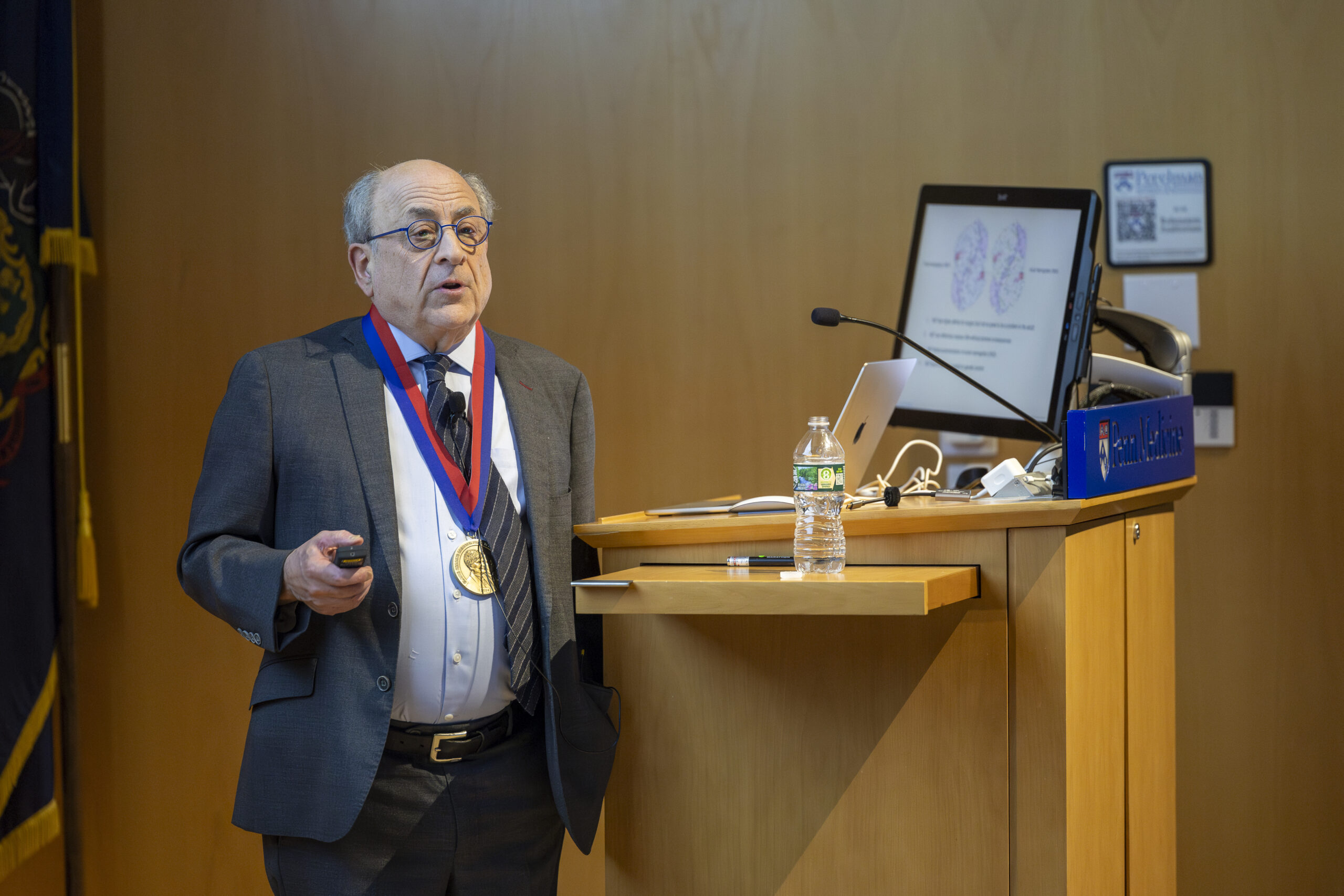
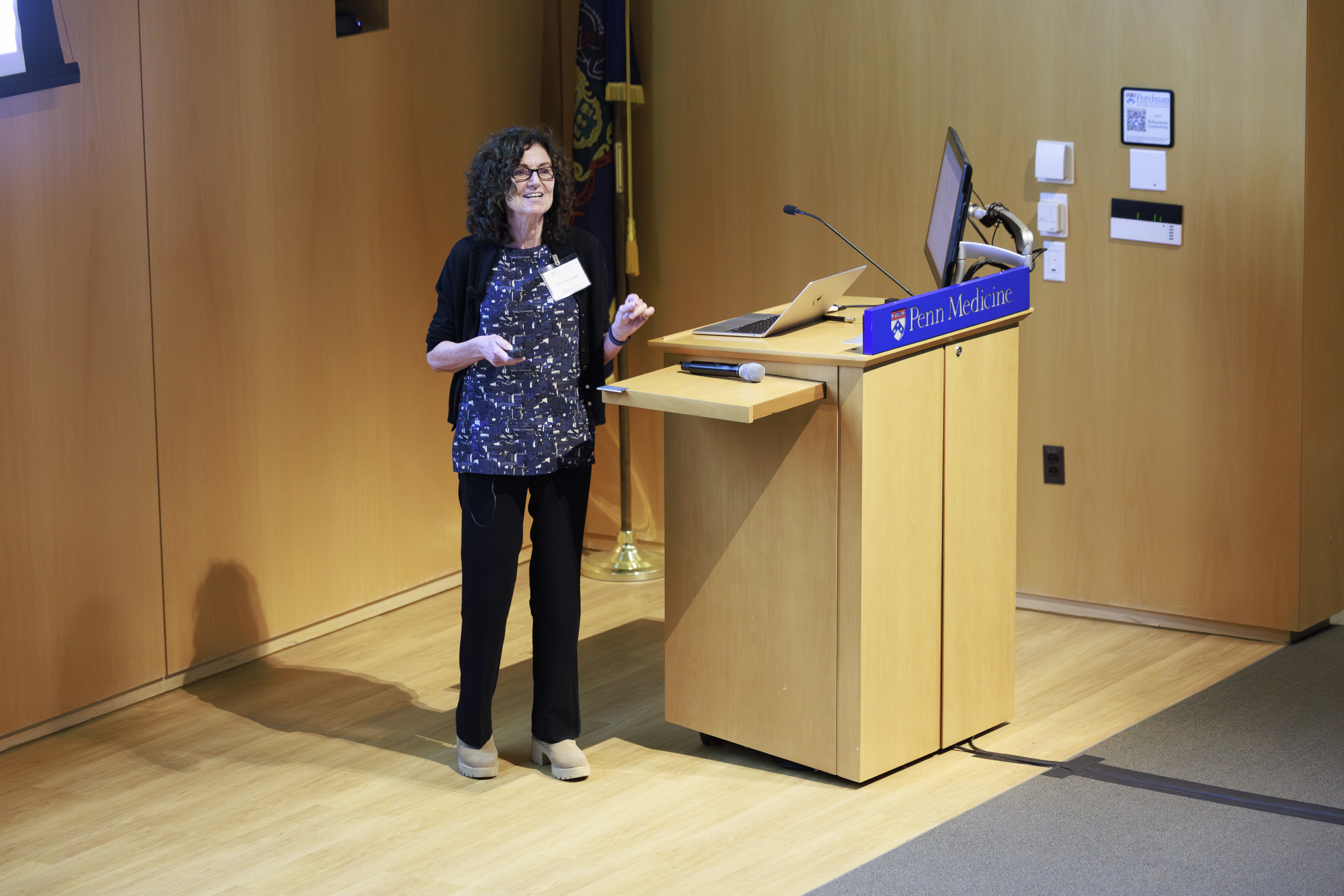
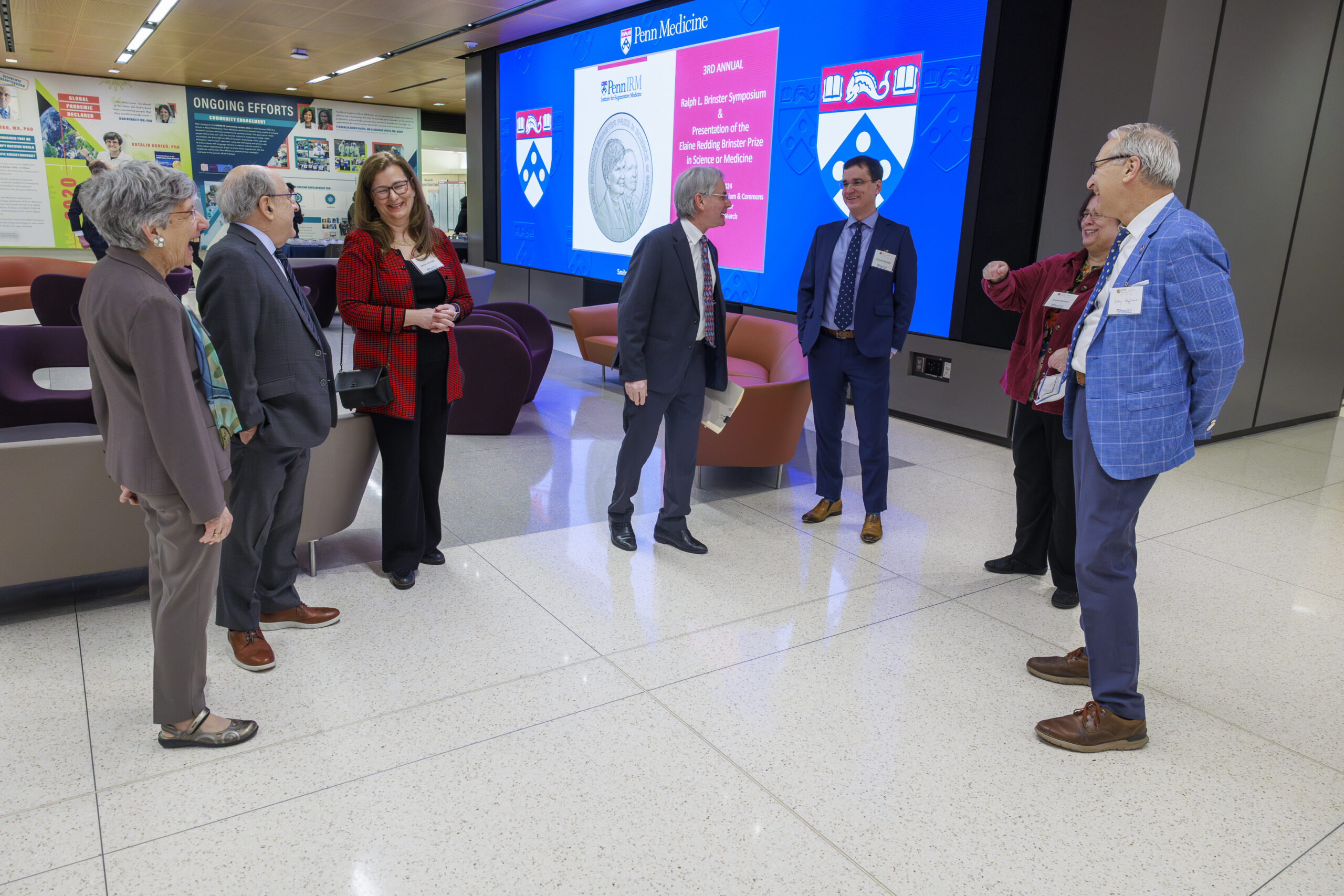
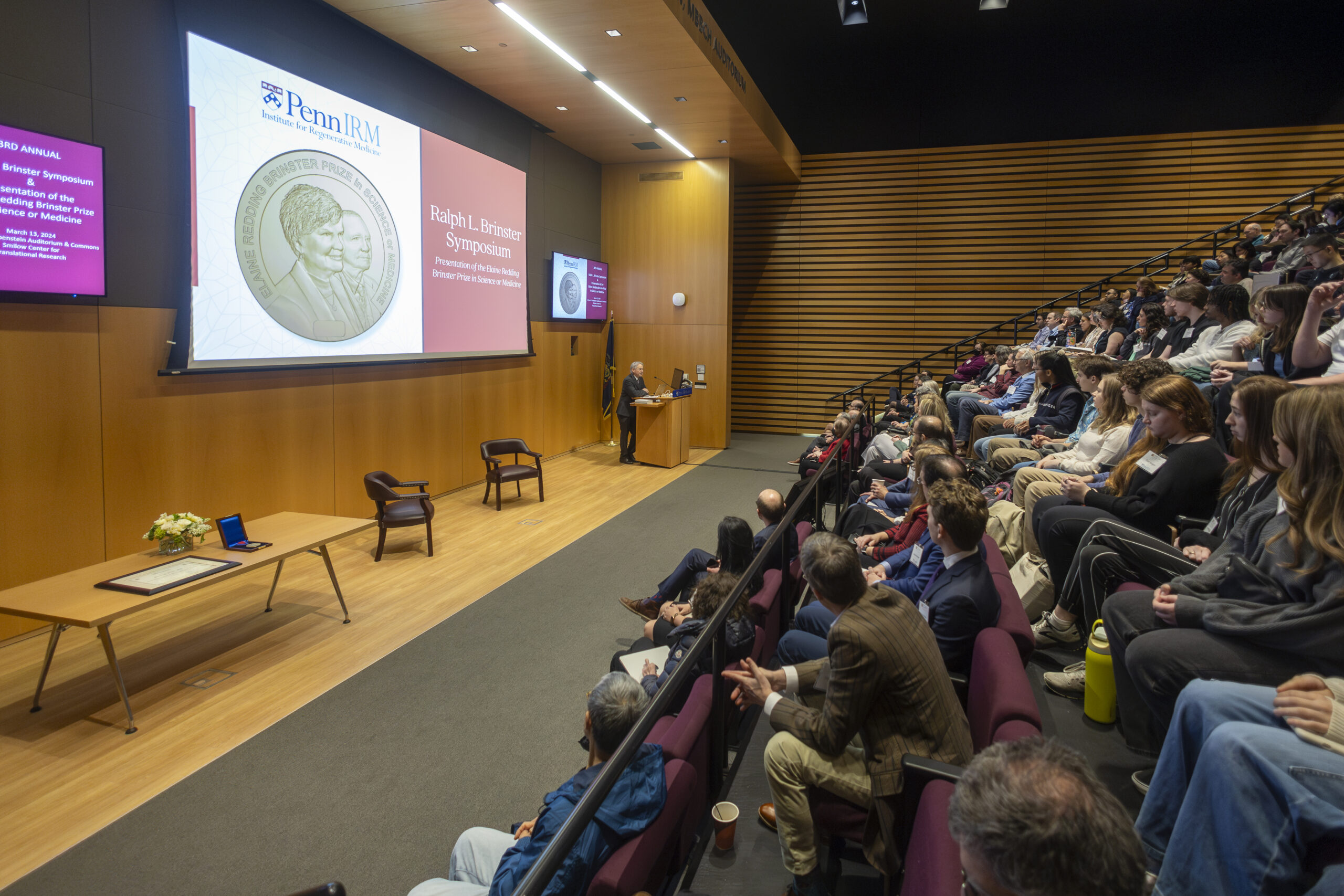
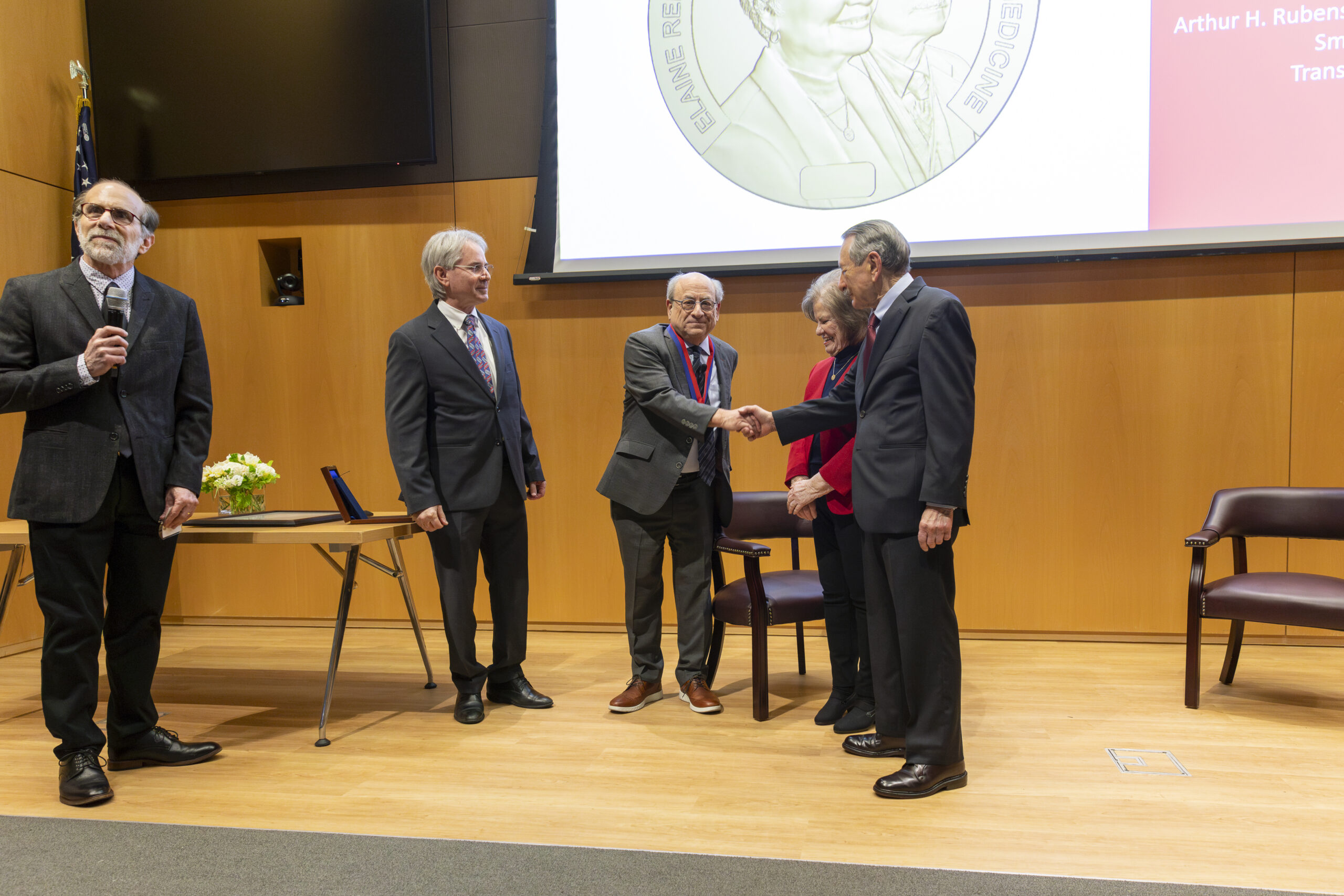
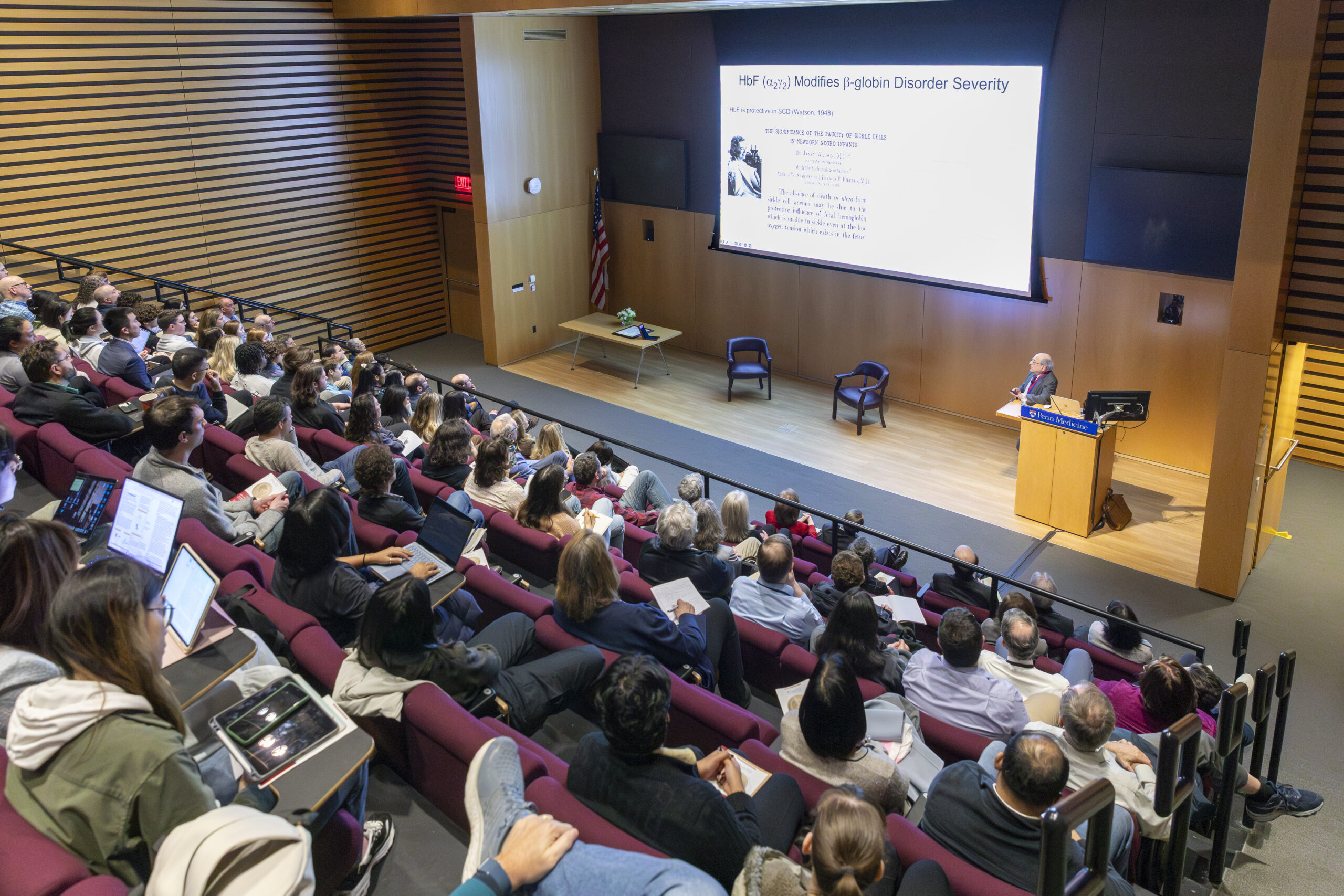
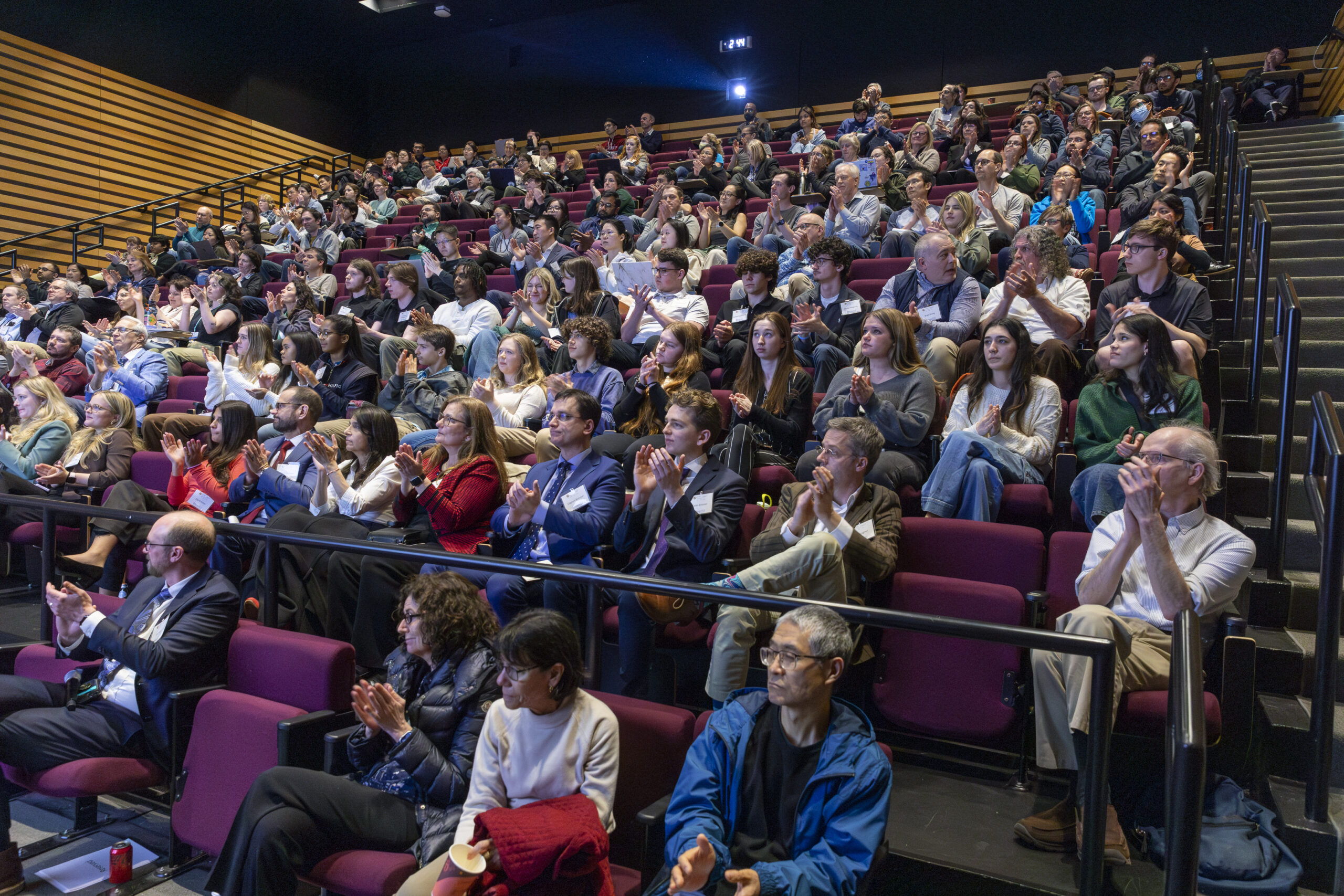
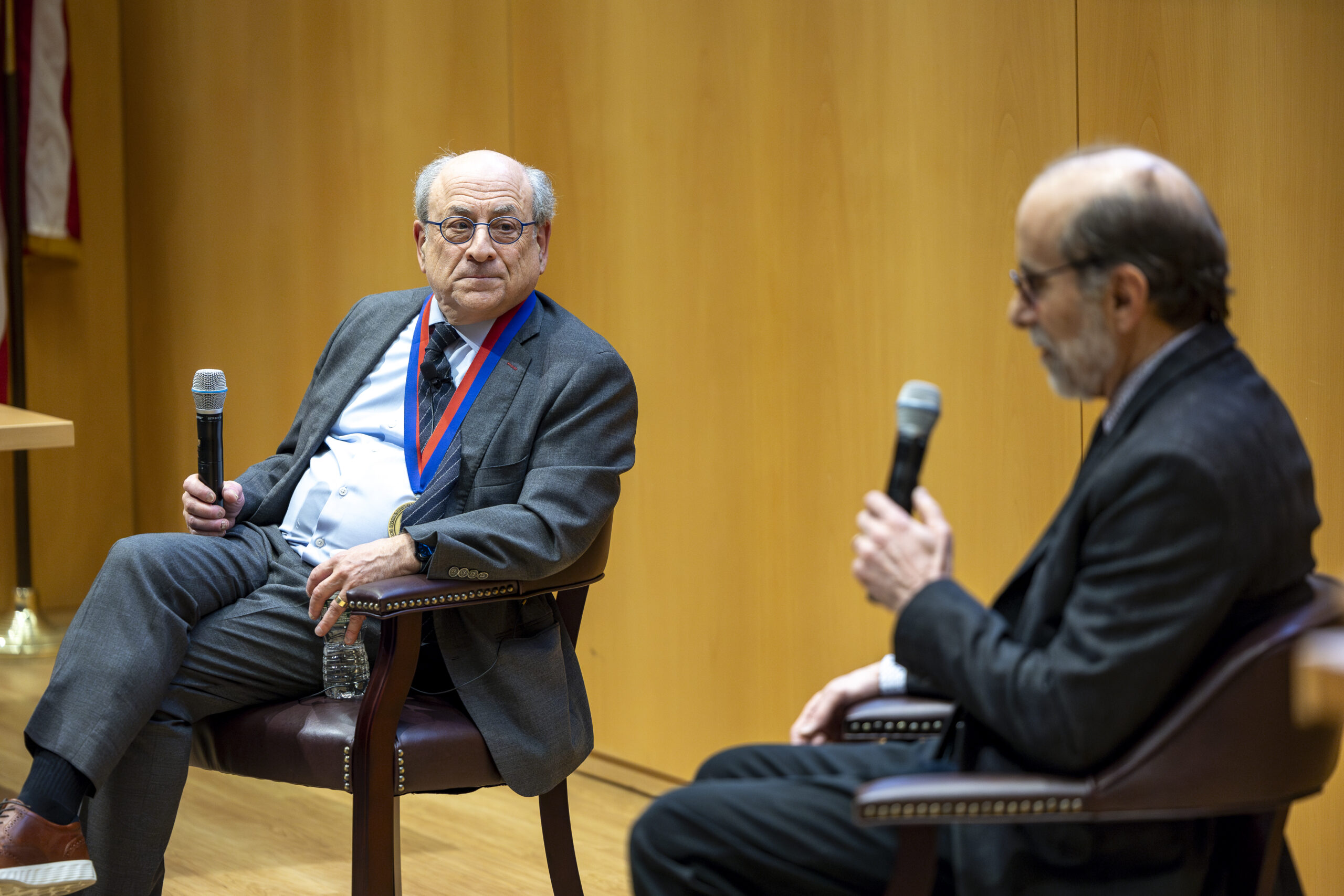
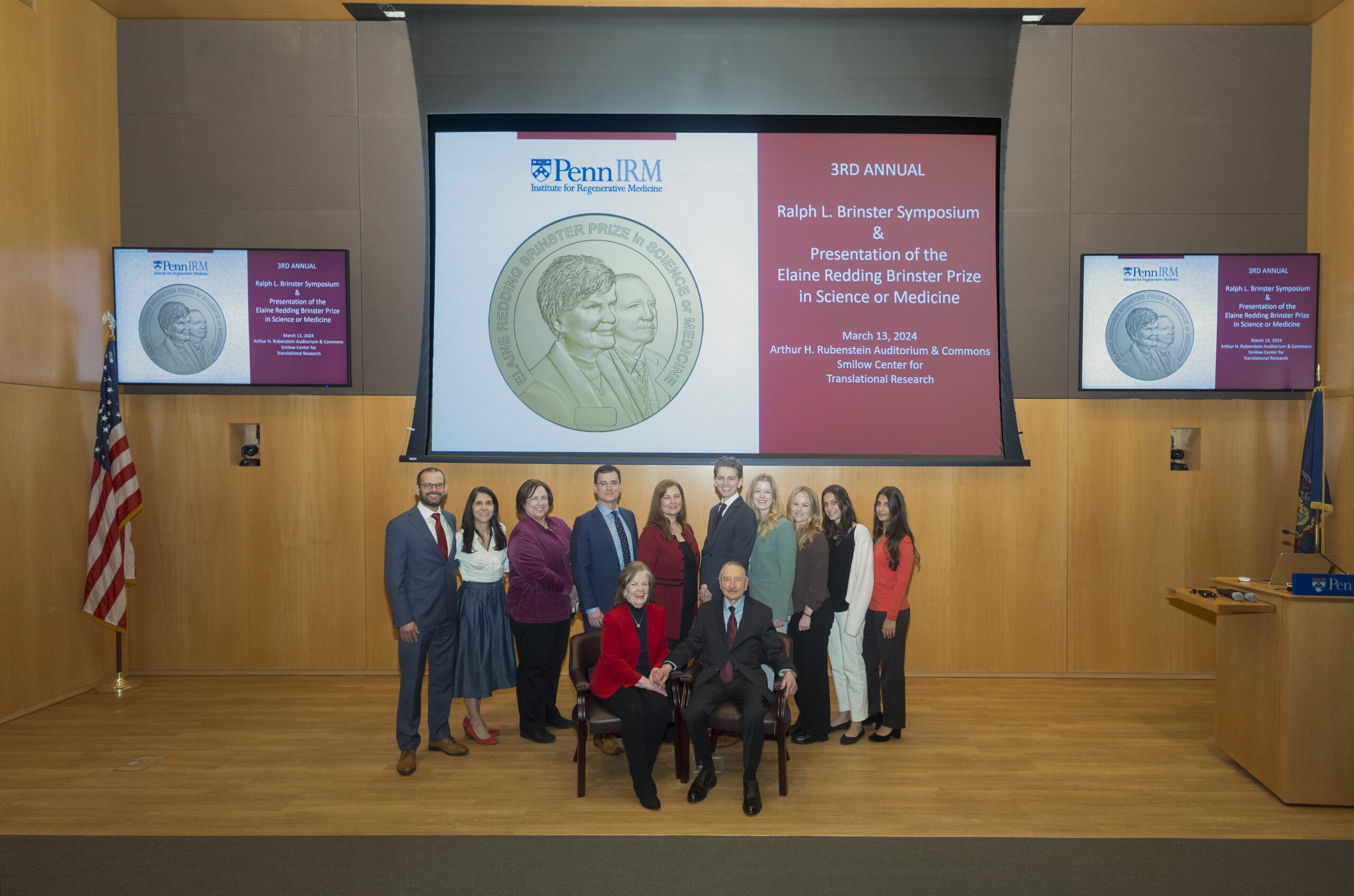
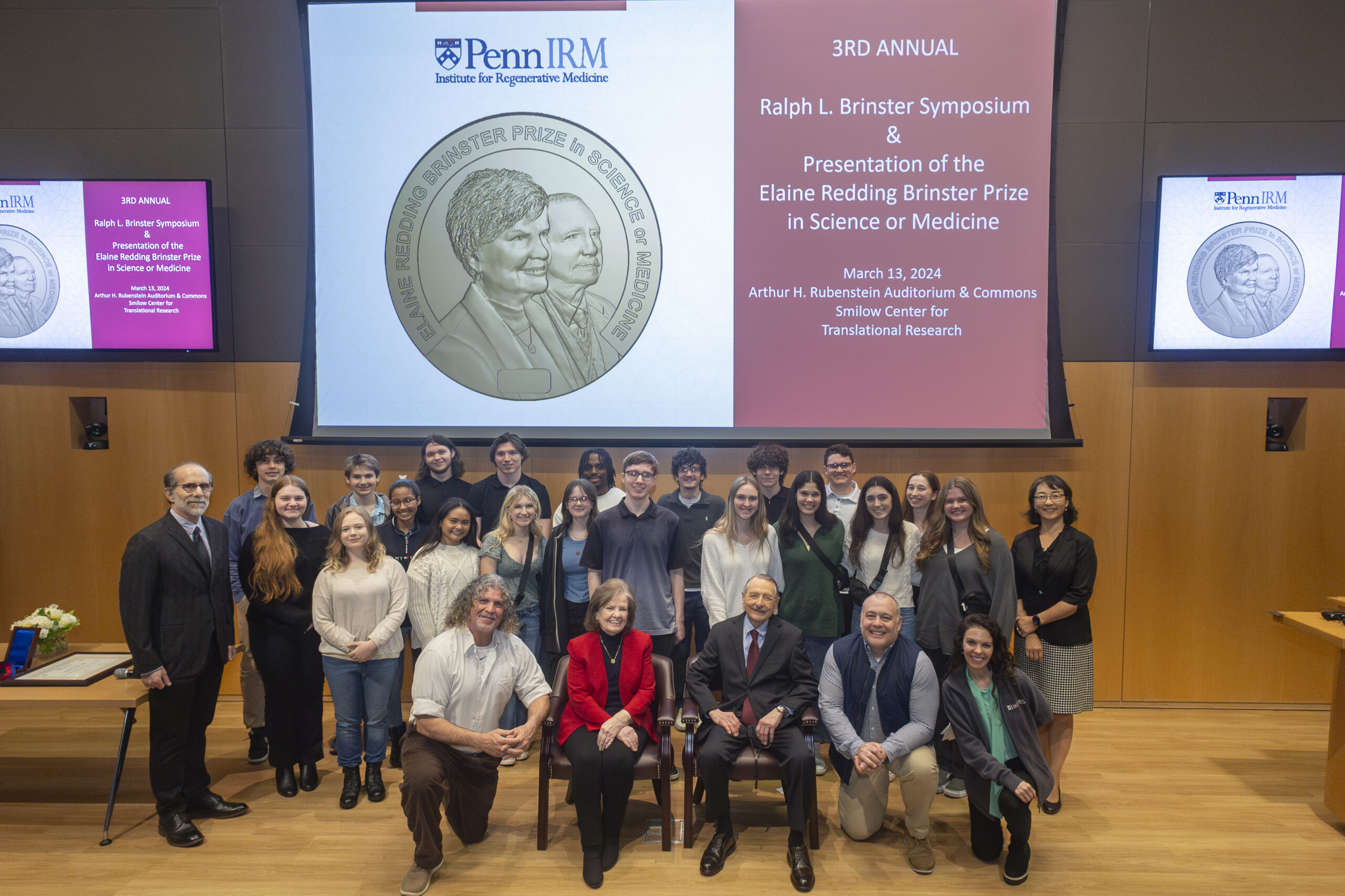
The Institute for Regenerative Medicine at the University of Pennsylvania awarded Stuart H. Orkin, MD the third Elaine Redding Brinster Prize in Science or Medicine on March 13, 2024. He was recognized for landmark discoveries of the molecular basis of blood disorders and using the basic science findings for therapeutic approaches. Dr. Orkin elucidated the mechanism controlling the switch from fetal to adult hemoglobin, and reduced to practice reactivation of fetal hemoglobin as a therapeutic strategy for sickle cell disease and other blood cell disorders.
In the 1980s, Orkin applied newly developed methods of gene cloning to determine the genetic basis of thalassemias, blood diseases in which hemoglobin production is impaired. This work provided the first molecular description of a human disease, and a database for prenatal diagnosis of thalassemias by DNA. He established a paradigm for genetic dissection of inherited disorders.
The genetics of thalassemia illustrated how different mutations cause the disease, but failed to answer how genes, such as hemoglobin, are specifically expressed in red cells. Coincident with another investigator (Gary Felsenfeld at the U.S. National Institutes of Health), Orkin and colleagues discovered GATA1, the first master hematopoietic cell specific regulator. Orkin’s laboratory identified other related factors, including GATA2, the first hematopoietic stem cell regulator. Members of the GATA family have provided critical insights into development of numerous tissues and organs (including the heart, brain, nervous system, and the gut), and oncogenesis. Studies of GATA1 have served as a paradigm of molecular developmental biology.
A major clinically relevant question remained: How is the switch from fetal hemoglobin to adult hemoglobin, which occurs normally in development, controlled, and how can the knowledge be used to reactivate fetal hemoglobin expression in adults with thalassemia or sickle cell disease as a potential therapy? Orkin and his colleagues elucidated the mechanism of the fetal to adult hemoglobin switch and, in so doing, created opportunities for curative genetic therapy. His group discovered that the protein BCL11A silences fetal hemoglobin production by acting directly on the fetal globin gene, to shut off expression. Using gene knockouts and engineered sickle cell-diseased mice, the Orkin laboratory showed that BCL11A loss in erythroid cells prevents sickle cell disease due to consequent high-level expression of fetal hemoglobin, a finding that provided the rationale for therapeutic targeting in hemoglobinopathies. In further mechanistic studies, Orkin and associates discovered that common genetic variation within an erythroid-specific regulatory sequence within the BCL11A gene controls its own expression. They identified a GATA1 binding site in the gene regulatory sequence whose disruption impairs BCL11A gene expression, thereby permitting fetal hemoglobin reactivation. This “Achilles heel” represented a favorable target for CRISPR/Cas9 editing, which was leveraged for first-in-man gene editing therapy in a collaboration of two companies, CRISPR Therapeutics and Vertex, for both sickle cell disease and thalassemia. The success of the clinical trials validates Orkin’s fundamental contributions and establishes fetal hemoglobin reactivation as therapy for the hemoglobin disorders. Dr. Orkin’s foundational work in this area is the basis for the Elaine Redding Brinster Prize.
2023 Prize Winner
Huda Zoghbi, M.D. (Baylor College of Medicine)
Recognized for her work pinpointing the underlying genetic causes of a pair of devastating neurological diseases.
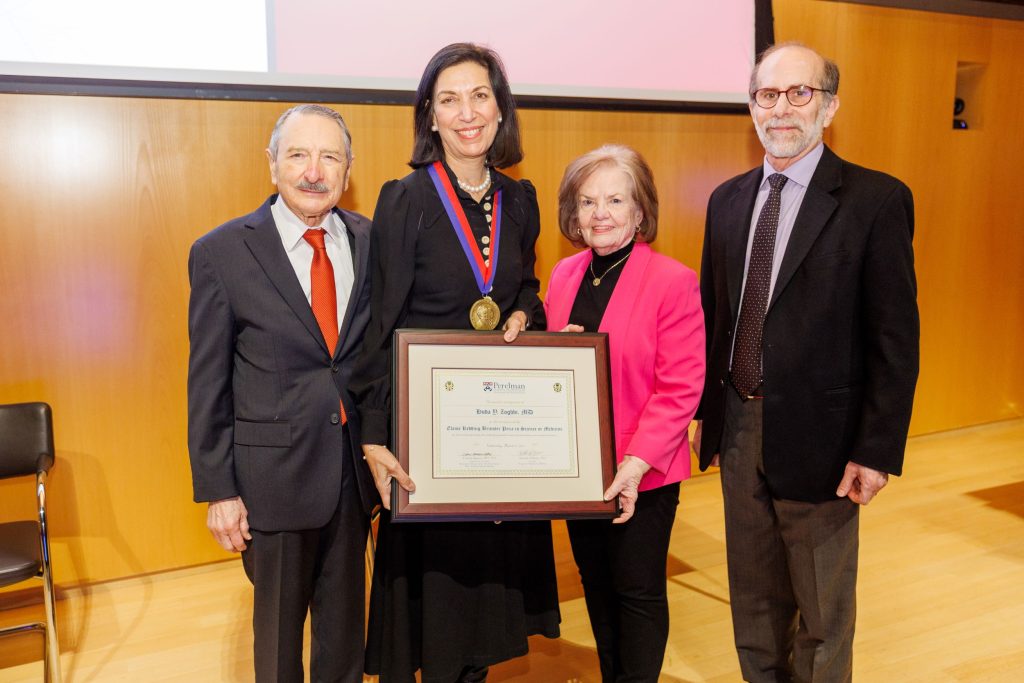
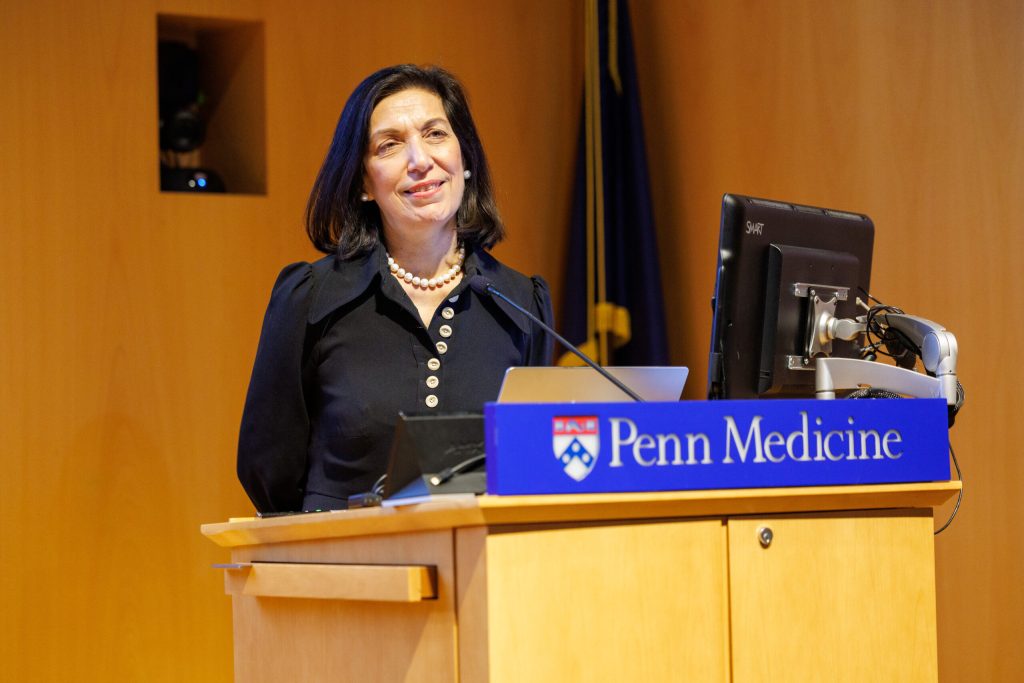
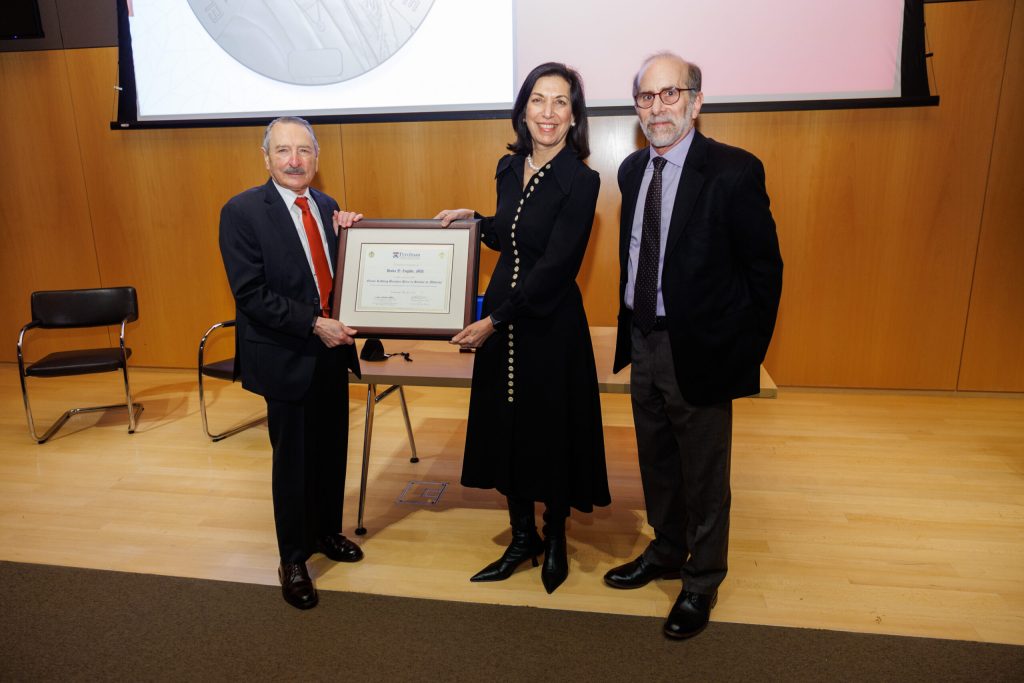
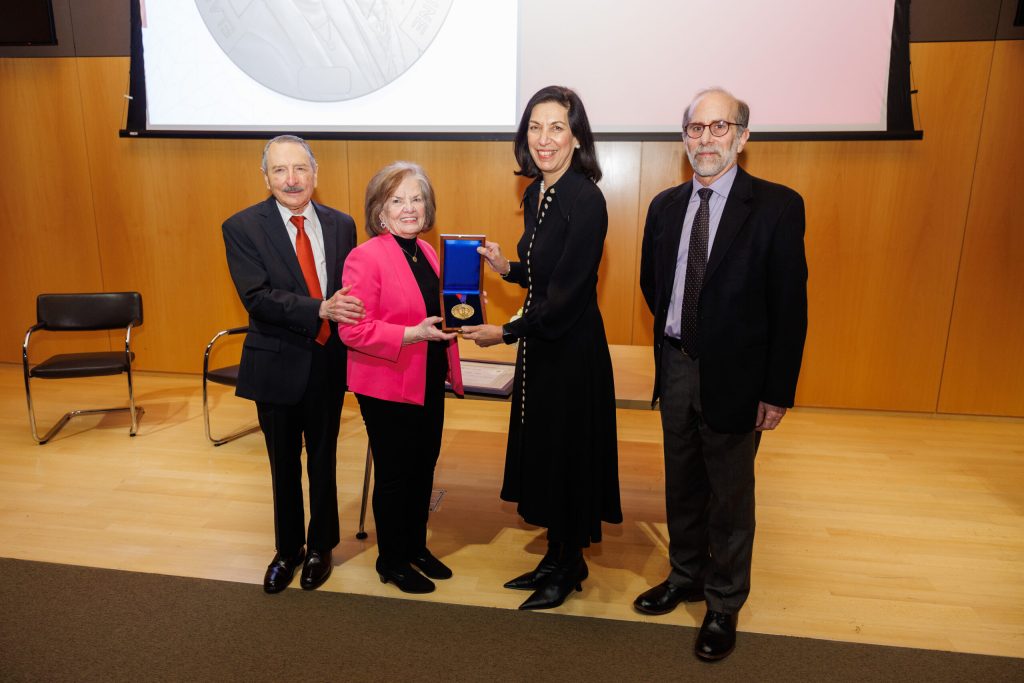
The Institute for Regenerative Medicine at the University of Pennsylvania awarded Huda Zoghbi, MD, the second Elaine Redding Brinster Prize in Science or Medicine on March 15, 2023. She was recognized for her work pinpointing the underlying, genetic causes of a pair of devastating neurological diseases. Zoghbi’s research advanced the field’s conceptual understanding of how gene expression can influence neurological health, even in non-inherited disorders.
Zoghbi began her career as a clinician before diving into research to understand the causes of some of the conditions she saw affecting her patients. Through a longstanding collaboration with Harry Orr, PhD, at the University of Minnesota, Zoghbi discovered that a lengthening of the ATXN1 gene causes spinocerebellar ataxia 1, a progressive disorder characterized by issues with balance and movement.
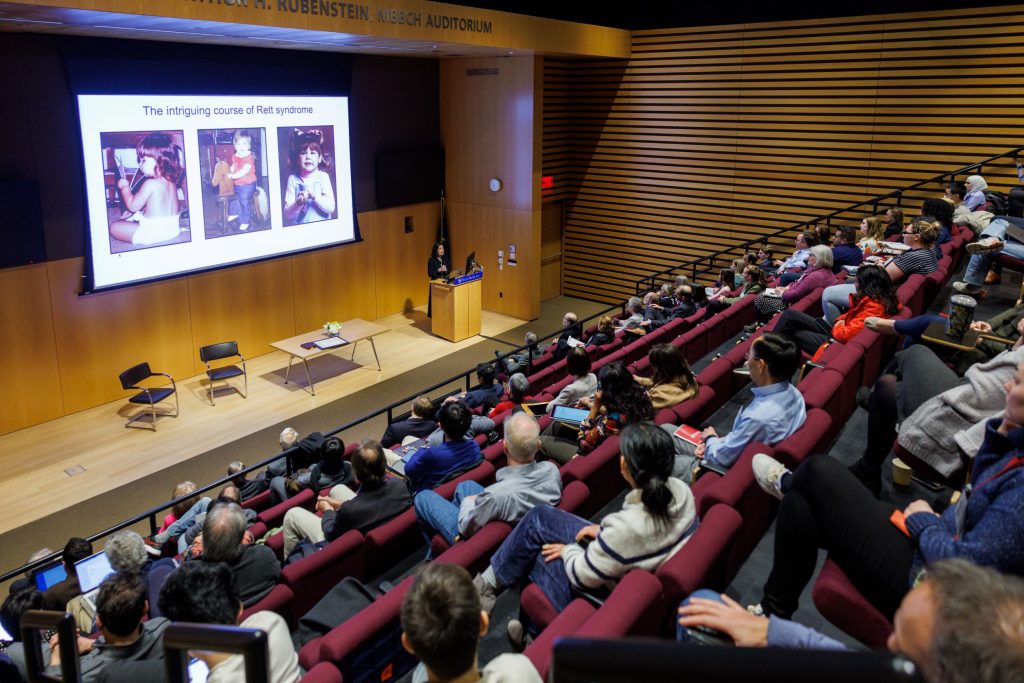
In a different line of work, Zoghbi was pursuing the genetic basis of Rett syndrome, a rare and sporadic neurological and developmental disorder that affects the way the brain functions after birth, causing a progressive loss of motor skills and language, primarily in female patients. In 1999, her research team identified mutations in methyl-CpG-binding protein 2 gene, known as MECP2, as the root cause for Rett syndrome. Further work showed that the brain is sensitive to changes in the levels of MECP2 expression and that duplication of the gene can cause other neurological issues.
2022 Prize Winner
C. David Allis, Ph.D. (Rockefeller University)
Recognized for his discovery that chemical modifications of chromosomal histone proteins can regulate the activity of genes, a foundational insight for the study of epigenetics and the development of epigenetic therapies.
The Institute for Regenerative Medicine at the University of Pennsylvania awarded C. David Allis, Ph.D., the inaugural Elaine Redding Brinster Prize in Science or Medicine on March 16, 2022. He was recognized for his research which laid the foundation for the field of epigenetics.
In 1996, while a professor at the University of Rochester, Allis and his team isolated a protein within a single-celled organism that directly reacted with histones, the protein component of chromosomes that packages DNA in the “brain” of the cell, the nucleus. Allis and others then later demonstrated that the enzyme-related activity of this protein – which was a protein similar to the known yeast gene regulator GCN5 – is necessary for gene activation. Together, these studies demonstrated that the biochemical modification of histone proteins regulates gene activity, creating a foundation for the field of epigenetics. Today, epigenetic research has proven extraordinarily consequential for our understanding of human biology and insights from the field are being applied therapeutically to treat cancer and other illnesses.